

Cultural Adaptation and Randomized Controlled Trial evaluation of an Online Parenting Intervention to Reduce the Risk of Depression and Anxiety in Adolescents
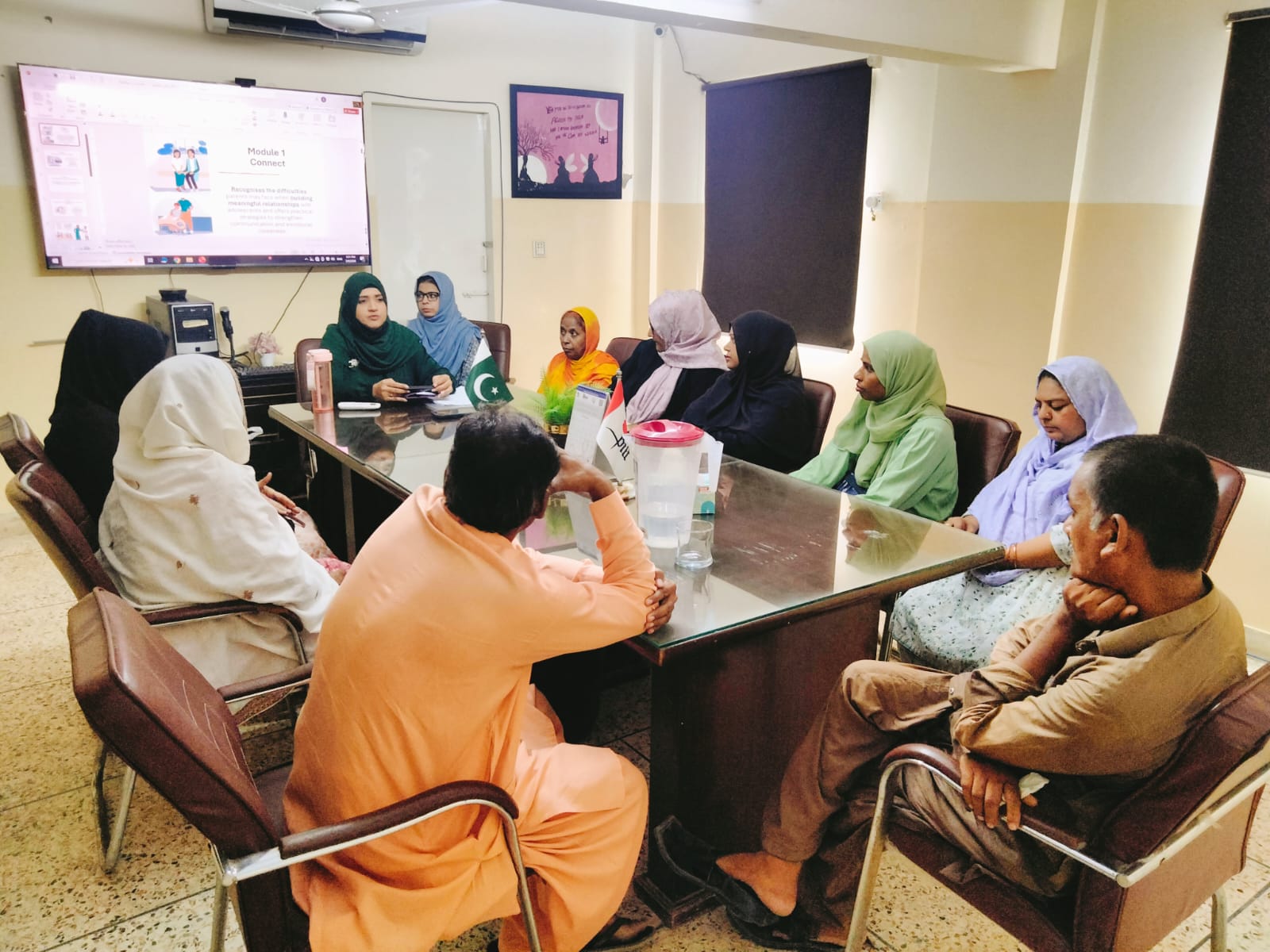
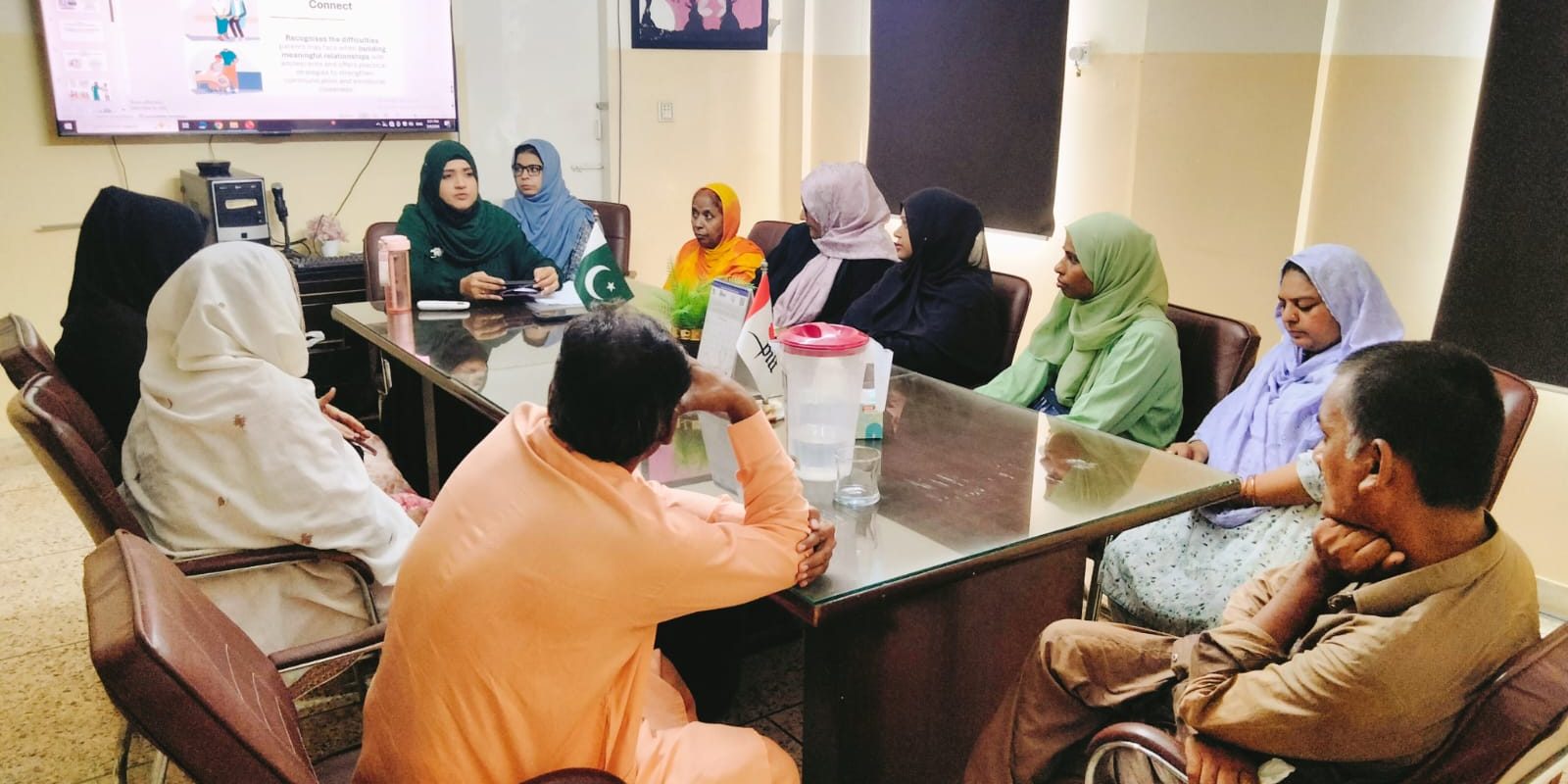
Depression and anxiety are among the most common mental health problems affecting adolescents globally and are particularly prevalent in low- and middle-income countries.Adolescents in Pakistan experience disproportionately high rates of depression and anxiety, yet access to preventive mental health services remains limited due to stigma, poor mental health literacy, and a lack of culturally appropriate interventions. Evidence consistently demonstrates that parents play a pivotal role in reducing the risk of adolescent depression and anxiety through supportive parenting practices and positive parent–child relationships. Although parenting interventions have shown effectiveness in high-income countries, no culturally adapted, evidence-based programme is currently available for Pakistan.This study aims to culturally adapt and evaluate the effectiveness of the web-based, Partners in Parenting (PiP) intervention in reducing the risk of depression and anxiety among adolescents in Pakistan. The study undertakes a qualitative co-design to explore local perceptions of adolescent mental health and identify necessary cultural adaptations to the intervention. Lived Experience Expert group is actively contributing to refine the intervention content and usability before implementation. Following adaptation, a two-arm parallel randomized controlled trial will recruit 1,298 parent–adolescent dyads from schools, colleges, and community settings across eight cities in Pakistan. Parents allocated to the intervention arm will receive access to the culturally adapted PiP programme, which includes a personalised parenting assessment, tailored feedback, and interactive online modules designed to strengthen parenting practices associated with better adolescent mental health outcomes. Participants in the intervention arm will also receive brief weekly support calls to encourage engagement with the programme. The primary outcome is reduction in adolescent depressive symptoms three months after randomisation. Secondary outcomes include adolescent anxiety, parenting practices, family functioning, health-related quality of life, health service utilisation, and intervention usability. The study will provide the first culturally adapted, evidence-based online parenting intervention for preventing adolescent depression and anxiety in Pakistan. If demonstrated to be effective, the intervention has considerable potential to be scaled nationally as an accessible, low-cost strategy to strengthen parenting practices, improve family relationships, and reduce the burden of adolescent mental health problems.