

Children and Adolescents Mental Health Division
Overview & Mission
The Child and Adolescent Group at PILL is dedicated to transforming mental health care for children and adolescents in Pakistan, with a vision of a future where every young person feels seen, supported, and able to thrive. Our mission is to advance research, provide training, and build strong foundations for mental health through evidence-based programs and community awareness. We are tackling the urgent gaps in early intervention and quality services, breaking the silence around youth mental health, and empowering families and professionals to ensure no young mind is left behind.
| Objectives
- Conduct research on child and adolescent mental health in Pakistan.
- Provide training for mental health professionals, educators, and parents.
- Develop culturally adapted early intervention programs for schools and communities.
- Promote awareness and reduce stigma related to youth mental health.
| Our Workstreams
We conduct rigorous research to understand the burden of child and adolescent mental health challenges in Pakistan. Our work includes systematic reviews, epidemiological studies, surveys, focus groups, and interviews to build a strong evidence base. We also develop and culturally adapt evidence-based interventions to ensure they are effective and relevant to local communities.
We strengthen mental health expertise by training researchers, academics, and professionals through education programs, workshops, webinars, and conferences. Our goal is to build a skilled workforce equipped to advance mental health care and raise awareness within schools, communities, and professional networks.
We ensure excellence in research through careful monitoring, performance management, and quality assurance. This includes tracking the progress of child and adolescent mental health studies, research papers, and publications within PILL to maintain high standards and timely delivery.
We actively share research findings through publications, talks, newsletters, community events, and our digital platforms. By working closely with national and international partners, we promote collaboration, raise awareness, and drive positive change in child and adolescent mental health.
| Our Projects
Partners in Parenting (PiP) is a web-based parenting intervention designed to support parents in strengthening parenting practices and parent–adolescent relationships. It aims to reduce the risk of depression and anxiety among adolescents through tailored feedback and nine interactive parenting modules
Youth Culturally Adapted Manual Assisted Problem Solving Training (YCMAP) is a brief, culturally relevant and scalable intervention based on problem-solving and cognitive-behavioural therapy principles, designed to support young people age 12 to 18 experiencing self-harm.
For more info visit: https://www.pill.org.pk/projects/y-cmap/
Saving and Empowering young lives in PAKistan (SEPAK) is a culturally adapted school- and community-based self-harm prevention programme designed for secondary school pupils, involving students, parents/guardians, teachers and local health practitioners.
For more info visit: https://www.pill.org.pk/projects/sepak/
A culturally adapted, low-cost parenting intervention developed in Pakistan that combines play-based parenting strategies with psychological support to improve maternal/paternal mental health, parenting practices, and the emotional and behavioural development of young children, particularly in families affected by depression
Building Resilience Against Violence (BRAVE) is a culturally adapted parenting intervention for parents experiencing post-traumatic stress disorder (PTSD), combining Learning Through Play (LTP) with trauma-focused cognitive behavioural therapy (TF-CBT) to support positive parenting and the wellbeing of young children affected by trauma, conflict and displacement.
For more info: https://www.pill.org.pk/projects/building-resilience-against-violence-brave/
Trainings and Workshops
Healthy Hearts, Bright Futures National Cardiac Awareness Roadshow for Child & Adolescent
Date: 11th and 12th June 2026
Centre: ICMS School System, Peshawar
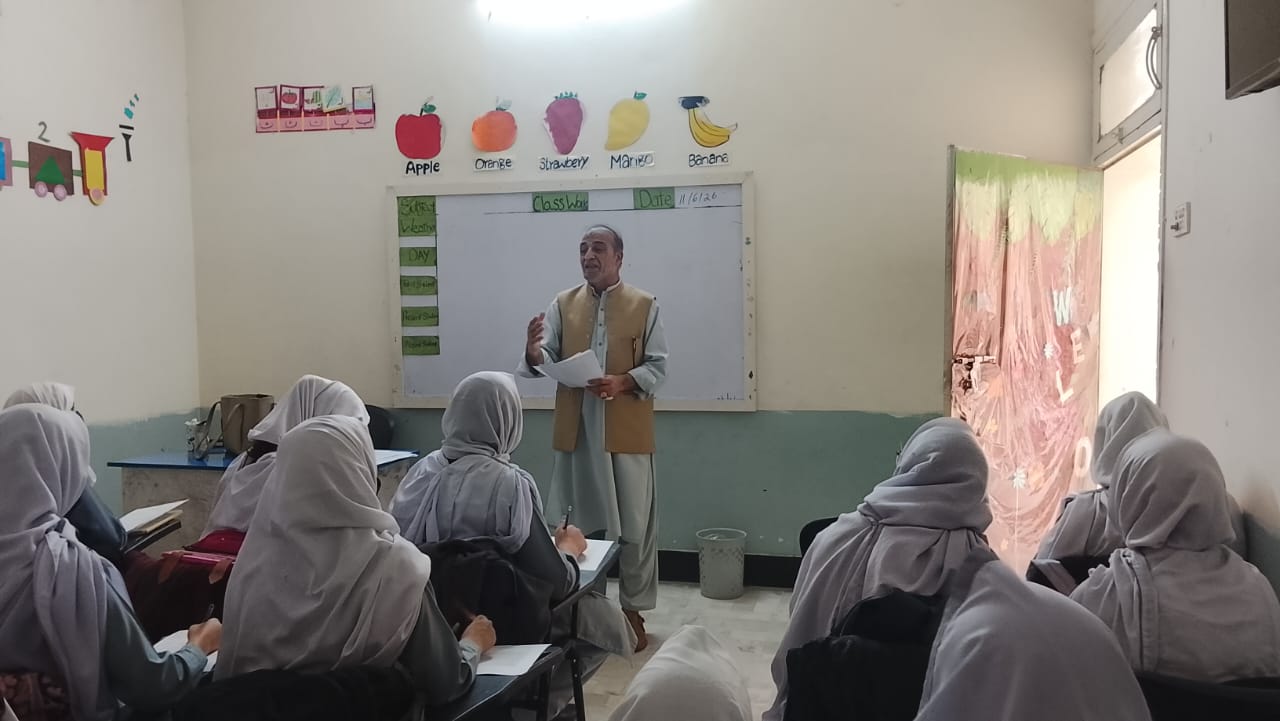
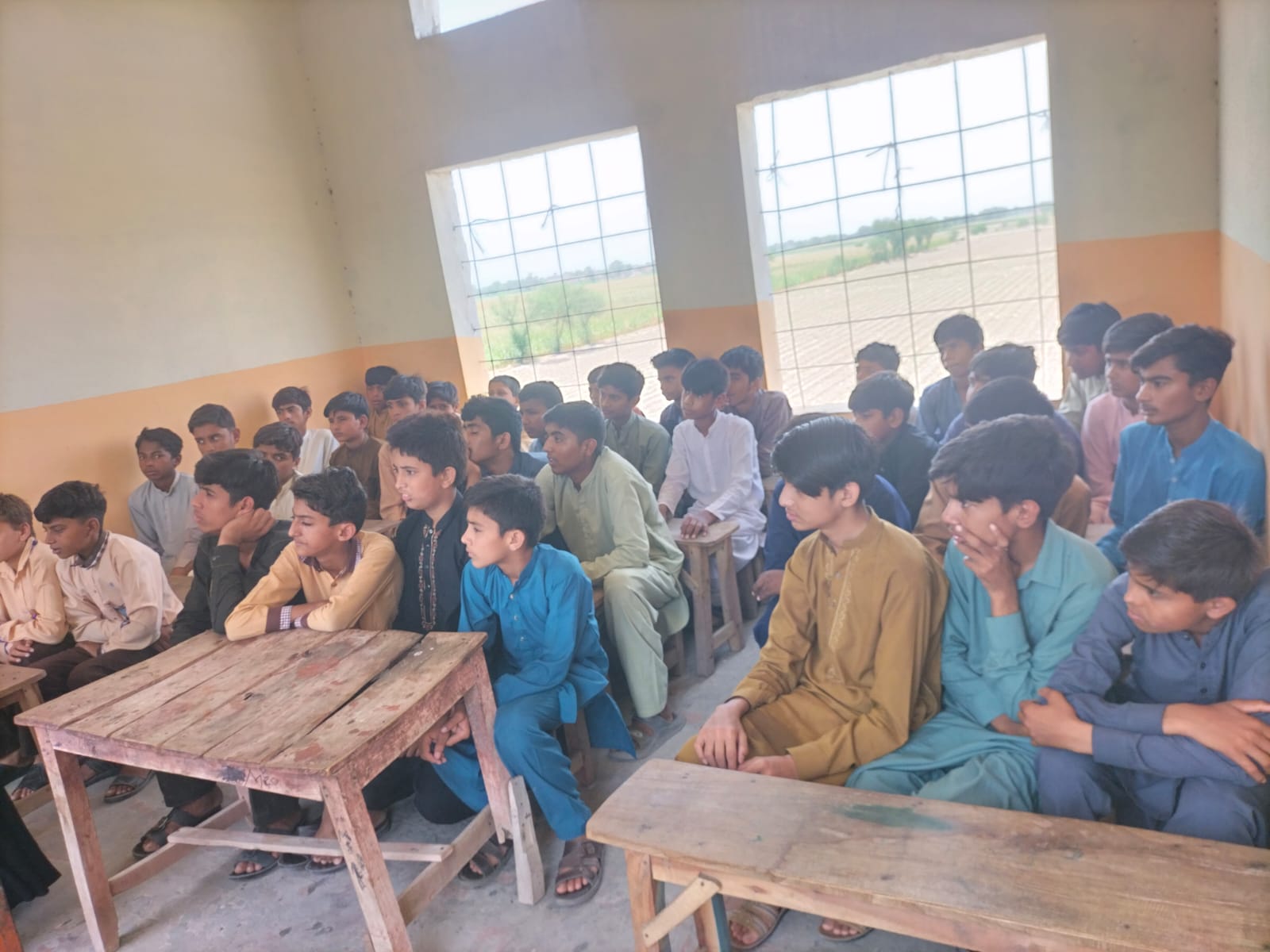
On 11 and 12 June 2026, the Ishrat Husain Pakistan Institute of Living and Learning (PILL) Peshawar team conducted two Cardiac Awareness Sessions under the ACROSS Project at ICMS School System, Peshawar, for adolescent boys and girls. A total of 120 students participated in the sessions.
The sessions focused on raising awareness about cardiovascular health, healthy lifestyle practices, preventive care, and the importance of adopting positive habits from an early age. Through interactive discussions, practical examples, and engaging activities, students actively participated, shared their perspectives, and asked questions related to health and well-being. Both sessions concluded with question-and-answer segments, providing participants with further clarification on key concepts. Overall, the sessions were well received and successfully enhanced students’ understanding of cardiovascular health and preventive care.
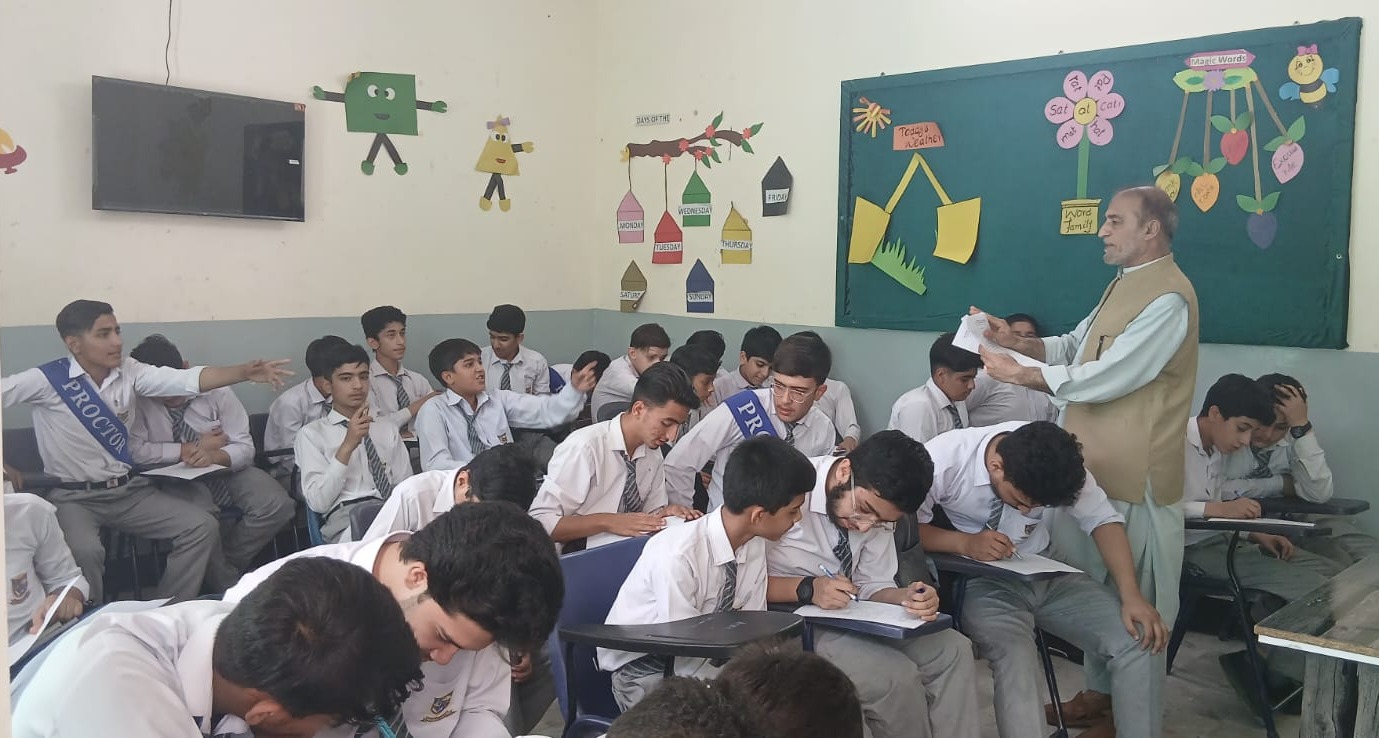

Healthy Hearts, Bright Futures National Cardiac Awareness Roadshow for Child & Adolescent
Date: 9th June 2026
Centre: A-One City High School, Quetta
The Ishrat Husain Pakistan Institute of Living and Learning (PILL) Quetta team conducted two Cardiac Awareness Sessions under the ACROSS Project: one for adolescent girls at A-One City High School, facilitated by Ms. Hooria Huda and Ms. Atika Juma, and another for adolescent boys at Alamdar Road High School, facilitated by Ms. Summiya Khan and Ms. Yasmeen Shahwani. A total of 120 participants attended the sessions.
The sessions introduced the ACROSS Project and raised awareness about the prevalence of cardiovascular diseases, associated risk factors, preventive measures, and the relationship between mental health and heart health. Pre- and post-tests were administered to assess participants’ knowledge. Both sessions concluded with interactive discussions and question-and-answer segments, during which students actively participated and shared their daily life activities and existing knowledge regarding cardiac health.
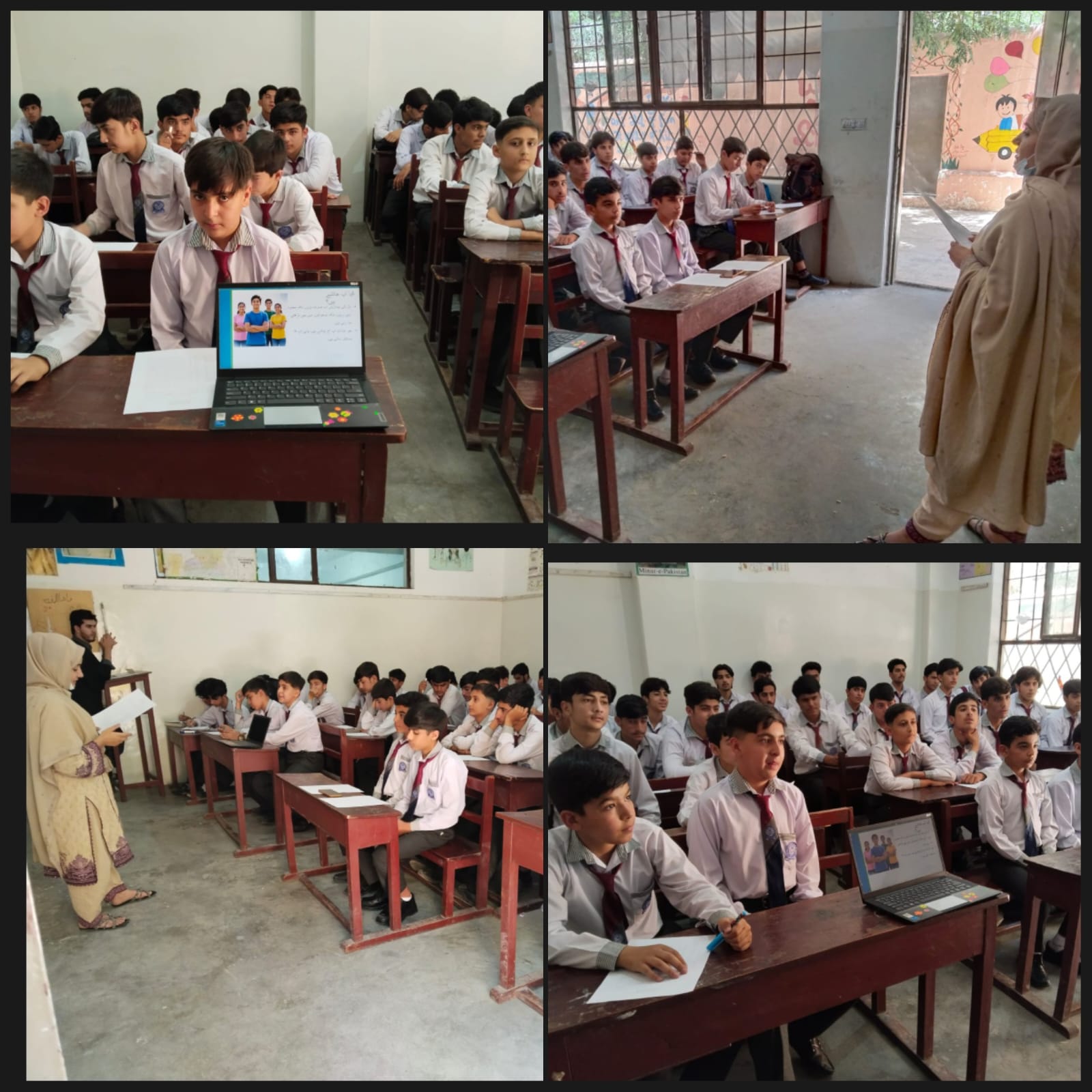


Healthy Hearts, Bright Futures National Cardiac Awareness Roadshow for Child & Adolescent
Date: 21st May 2026 and 9th June 2026
Centre: Mehboob Public School, Multan
The Ishrat Husain Pakistan Institute of Living and Learning (PILL) Multan Office organized a cardiac awareness session for adolescent girls and boys under its ACROSS Project at Mehboob Public School, Multan. The session was facilitated by PILL representatives, Ms. Asfa Hanif and Ms. Shafqat Jehan, and was attended by 40 girls and 30 boys. The session was well received, with participants demonstrating active engagement and enthusiastic participation throughout. A question-and-answer session was held at the end to address participants’ queries and reinforce key learning points.

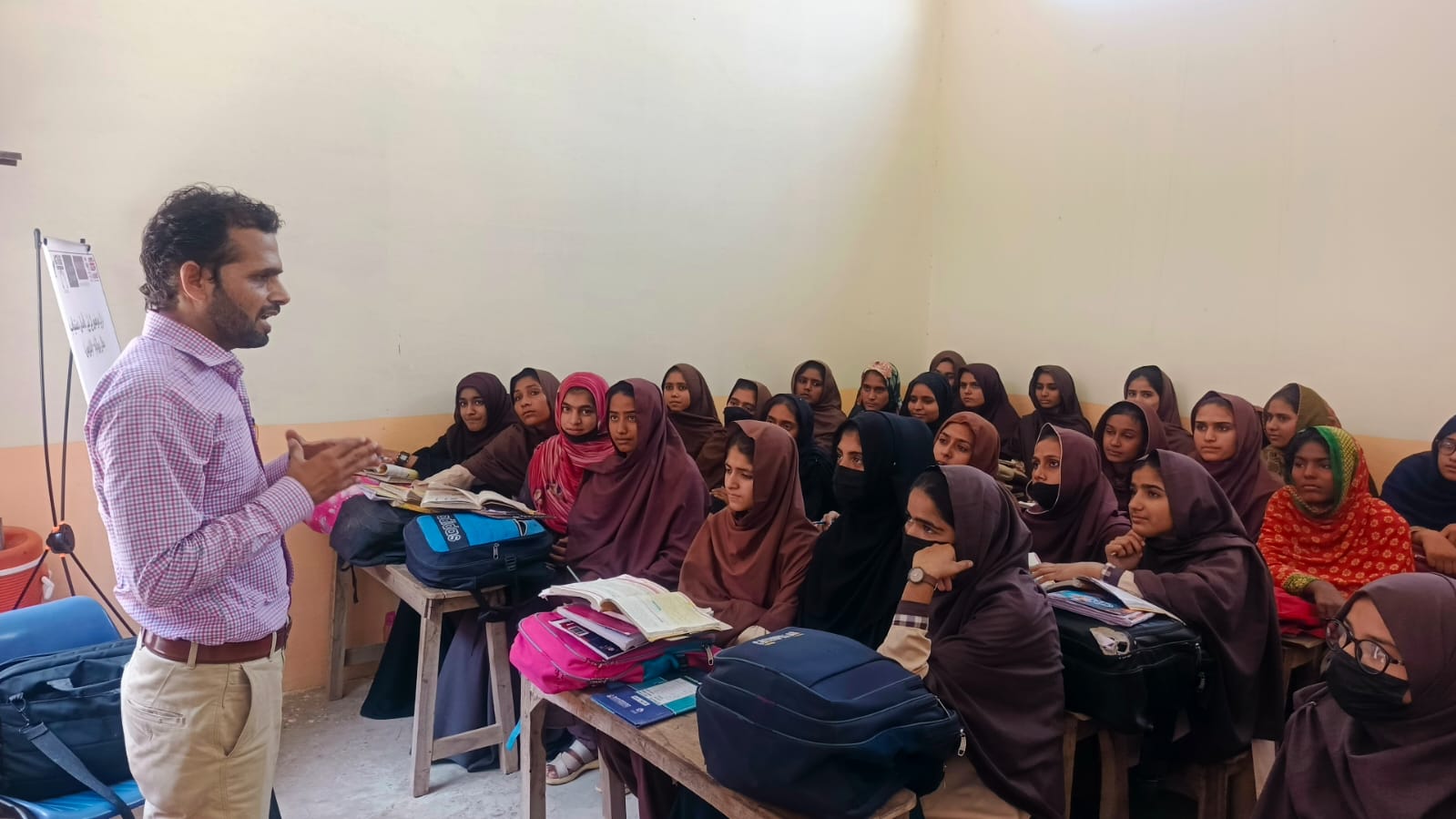
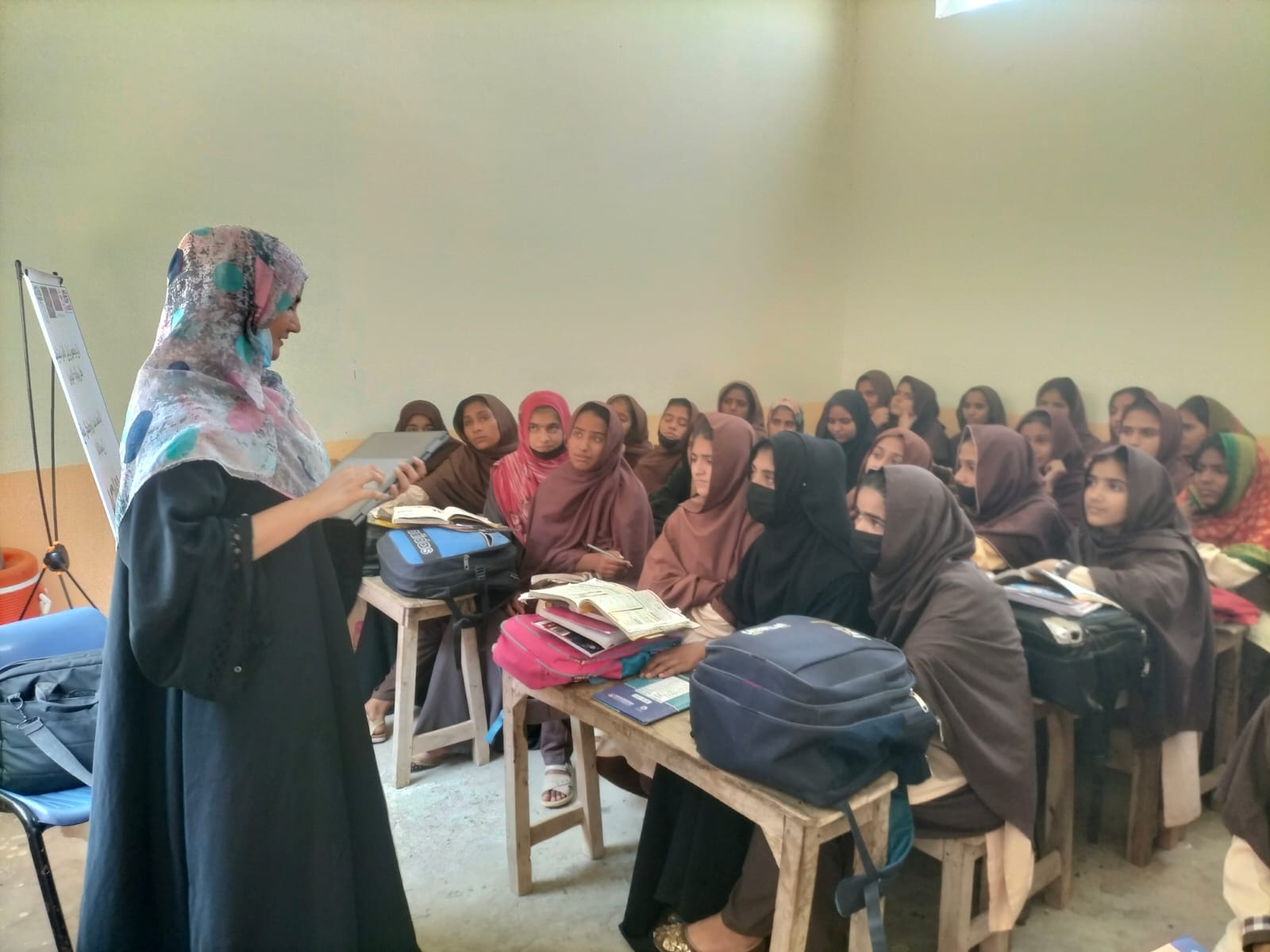
Understanding Autism: An Introductory Awareness Session by Ms. Humaira Shahid, CEO of the Noor Education and Healthcare Foundation.
Date: 16th December 2025 to 14th February 2026
Centre: PILL Offices in Karachi, Hyderabad, Lahore, Rawalpindi & Peshawar
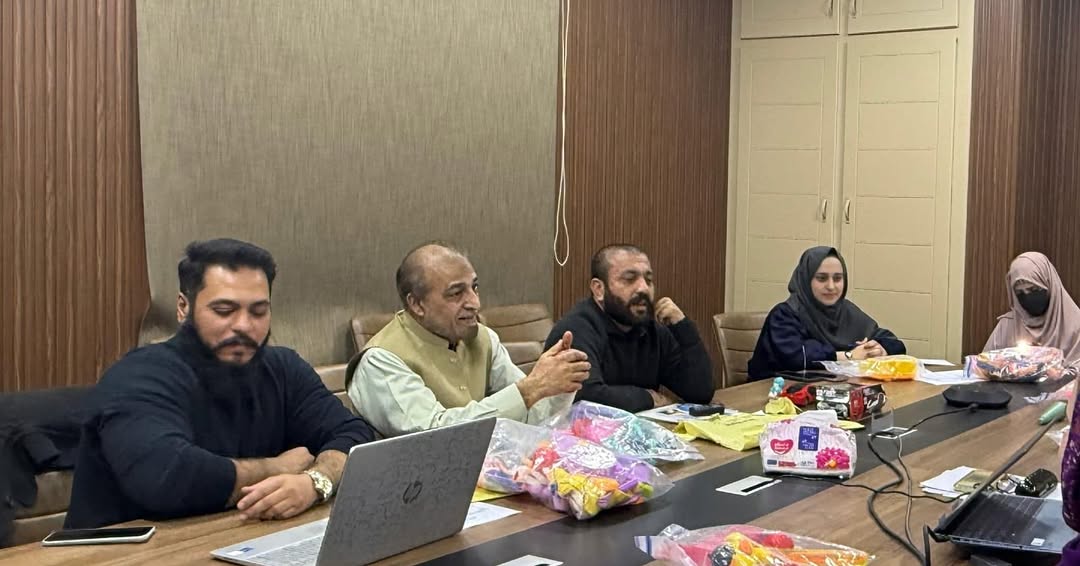
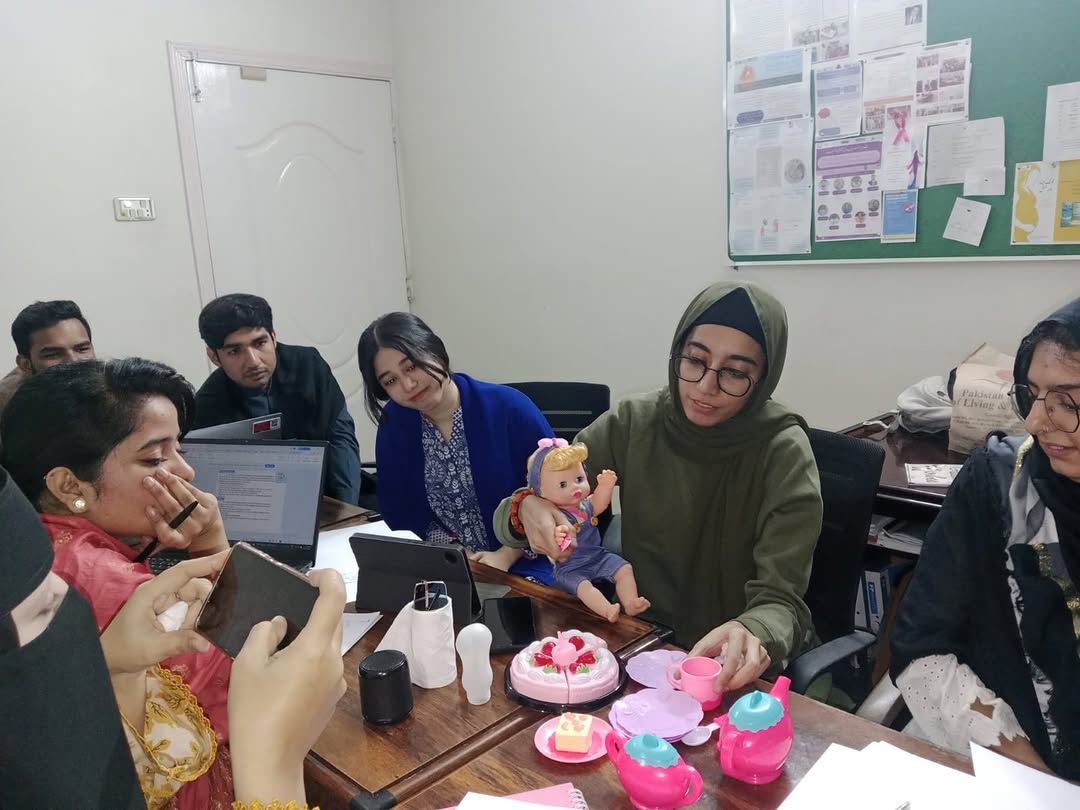
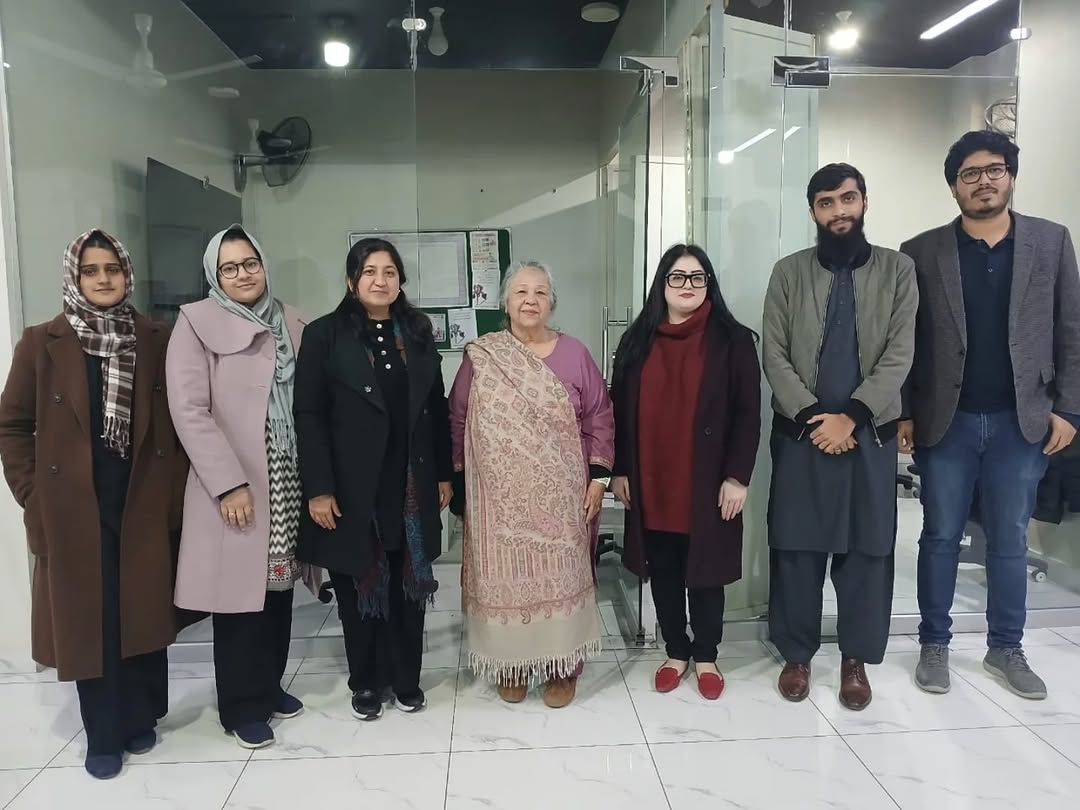
The Global Mental Health Research Capacity and Capability Building Department successfully conducted Module 1 training on “Understanding Autism: An Introductory Awareness Session” from 16th December 2025 to 14th February 2026 across PILL offices in Karachi, Hyderabad, Rawalpindi, Lahore, and Peshawar. Facilitated by Humaira Shahid, CEO of the Noor Education and Healthcare Foundation, the sessions provided participants with deeper insights into how autism can present differently across ages and increased their confidence in identifying possible signs of autism. Designed to enhance understanding of Autism Spectrum Disorder (ASD), the training introduced key diagnostic frameworks, built practical skills in observing and documenting social communicative behaviors, and emphasized culturally respectful approaches that avoid conflating language delays with ASD.



Empowering Journey: Navigating Childhood and Adolescence with Resilience
Date: 15th May 2025
Centre: Online training in all centers
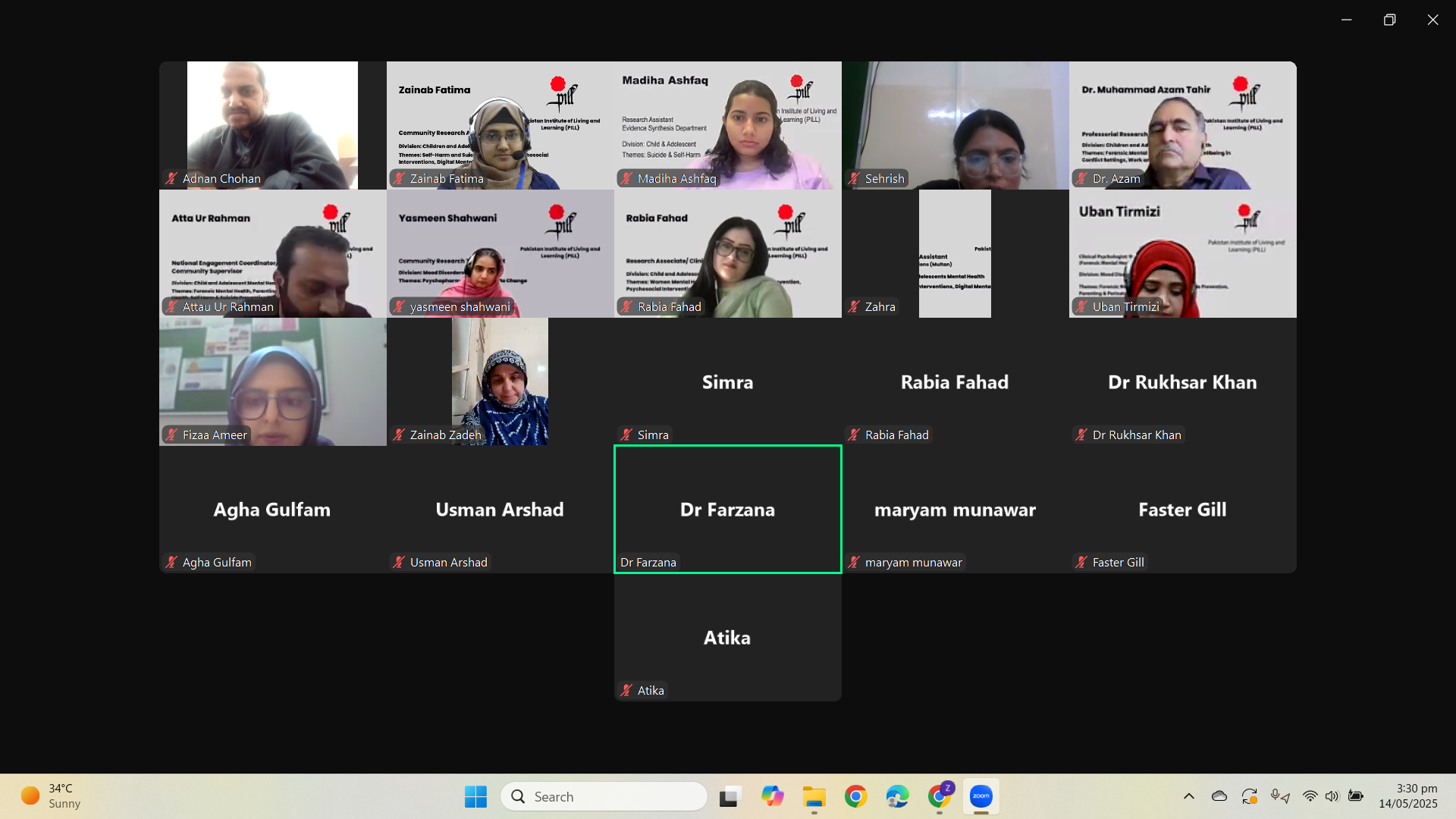
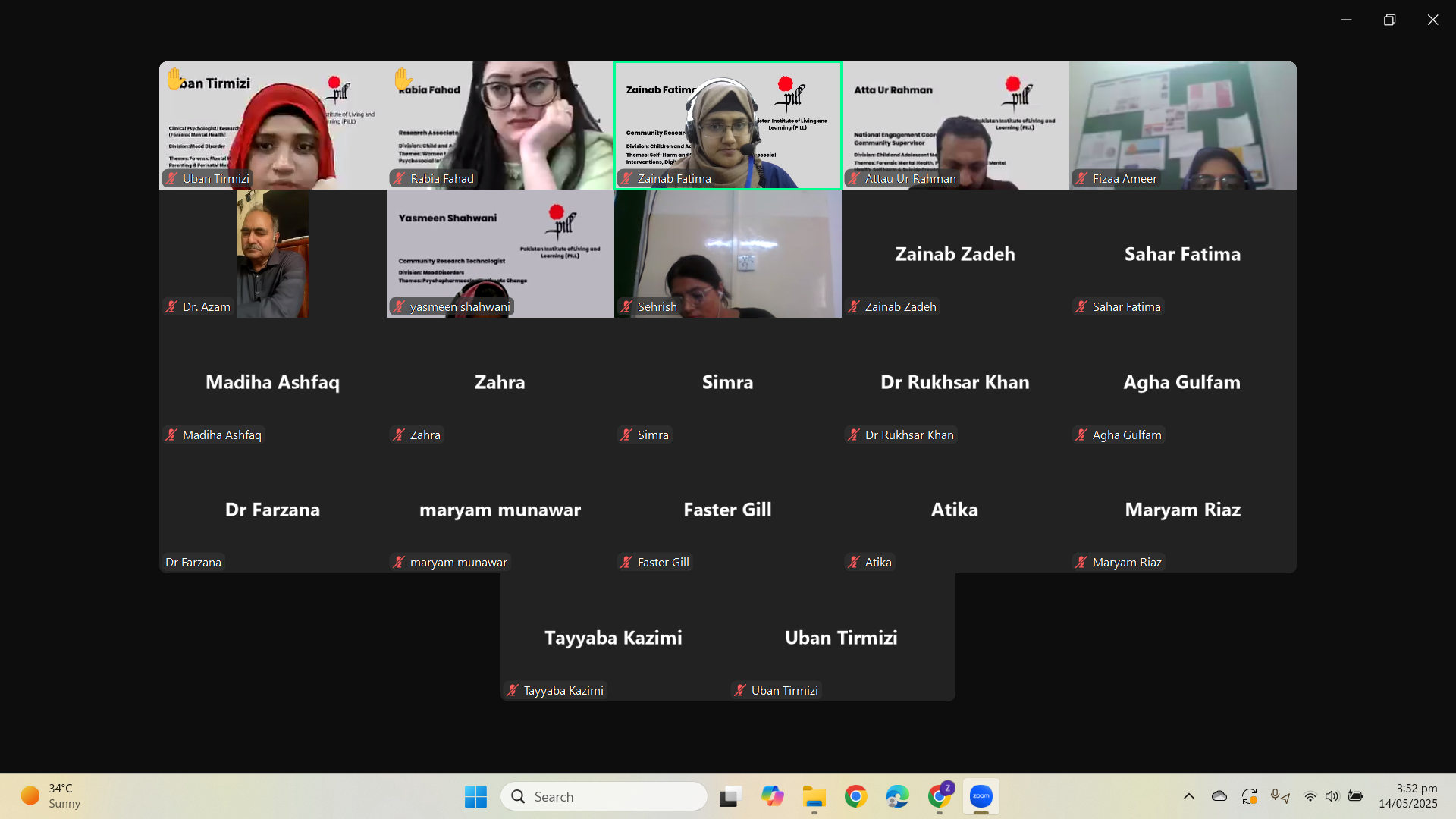
The Child and Adolescents Division organized a talk on 15th May 2025, featuring Dr. Farzana, a visually impaired individual with a PhD. She shared her inspiring journey in Pakistan, speaking about her childhood and adolescence, her challenges, and how she overcame those barriers. She emphasized the importance of family support and self-resilience in navigating those difficulties. The talk was attended by PILL staff members from various divisions, including the Children and Adolescents Division, who gained much knowledge and insight from the session. The group found her story meaningful and learned valuable lessons about perseverance, the power of inner strength, and the critical role of a supportive environment in overcoming adversity.
Kessler Psychological Distress Scale (K10) Training
Date: 12th March 2025
Centre: Online training in all centers
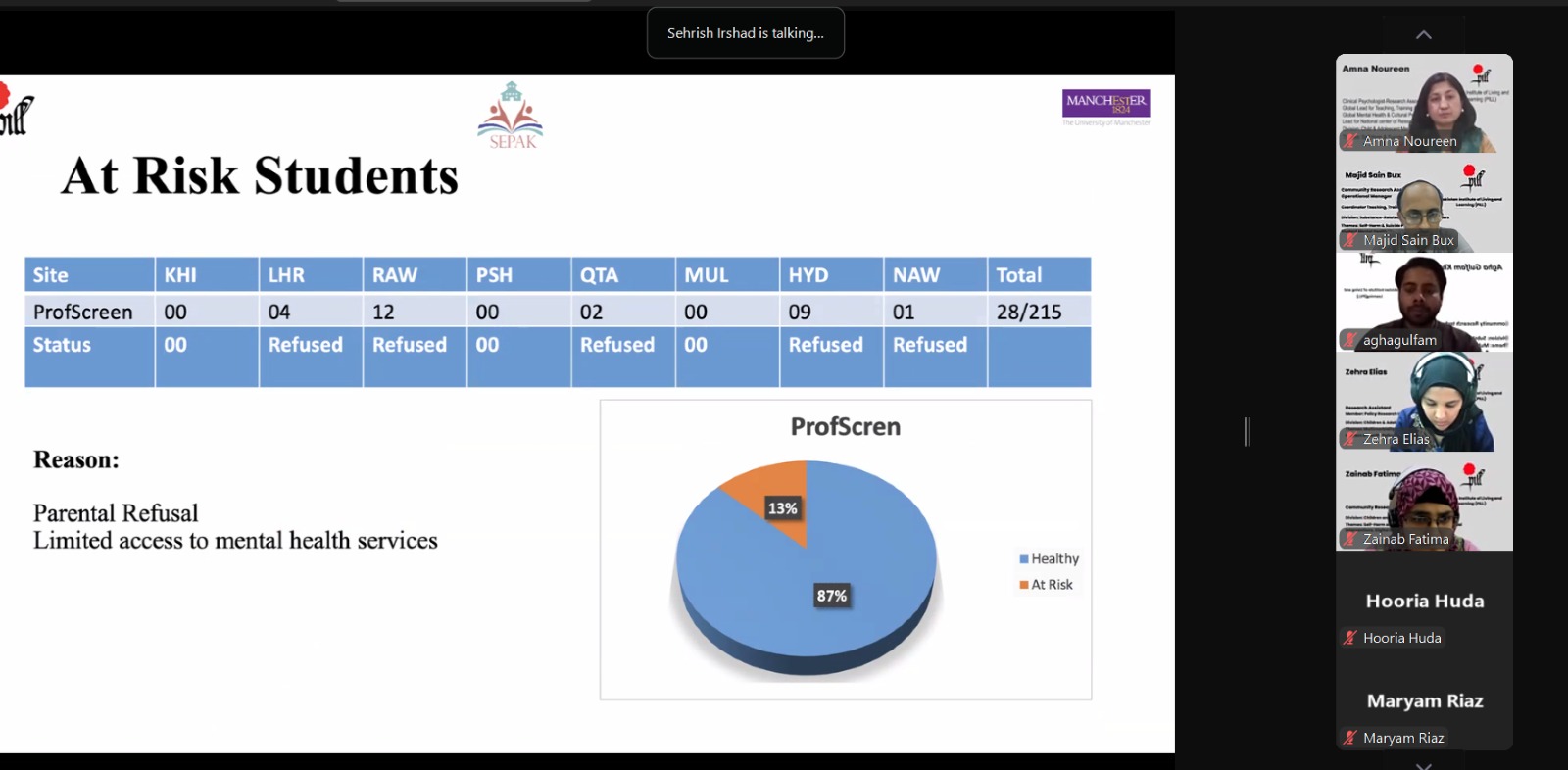
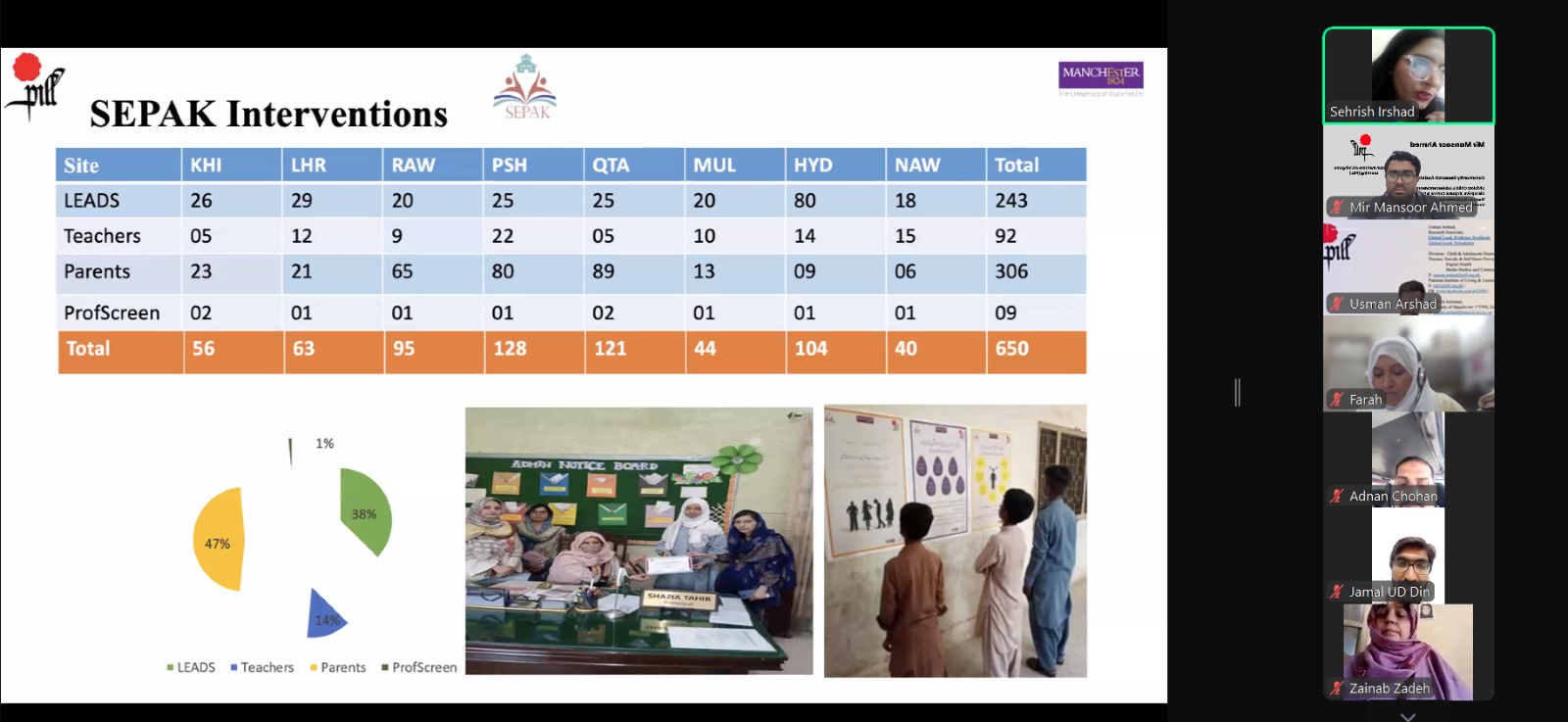
On March 12, 2025,The Child and Adolescent Division conducted a training session on SEPAK Assessment Tools, facilitated by Dr. Sehrish Irshad. The session focused on the administration of the Kessler Psychological Distress Scale (K10), a widely used screening tool for measuring psychological distress based on symptoms of anxiety and depression. Twenty researchers from PILL participated in the training, gaining insights into the SEPAK project and the effective use of the K10 Scale to identify individuals experiencing significant emotional distress.
Training Systematic Review in RAYYAN
Date: 29th January 2025
Centre: Online training in all centers
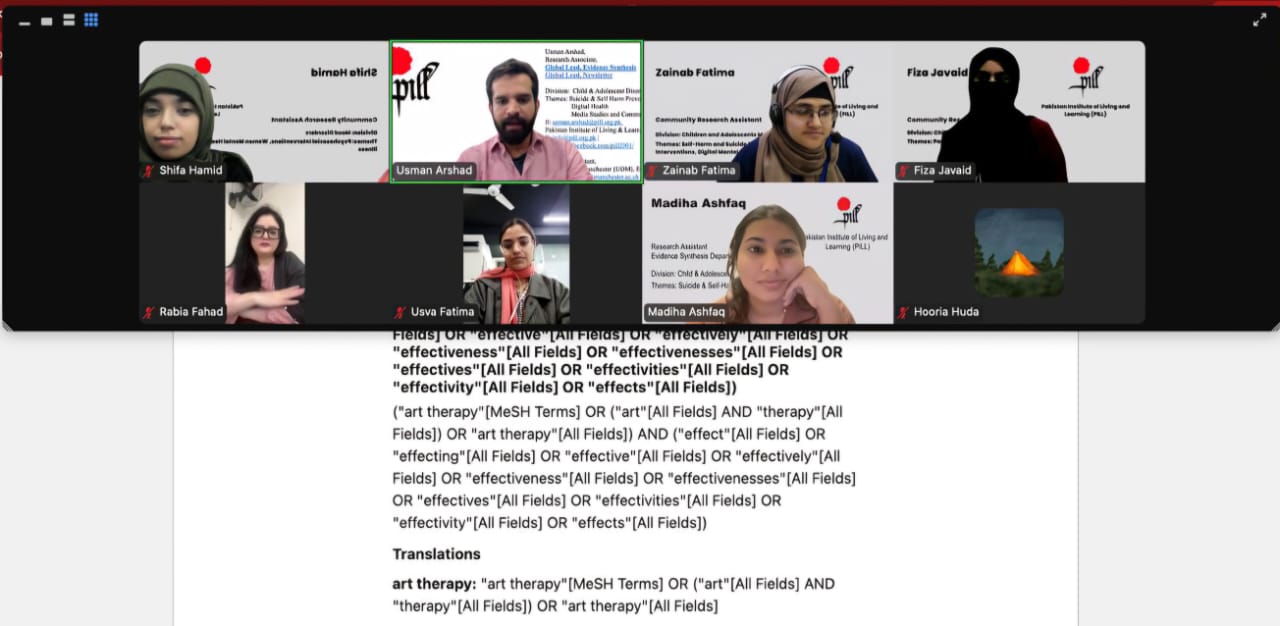
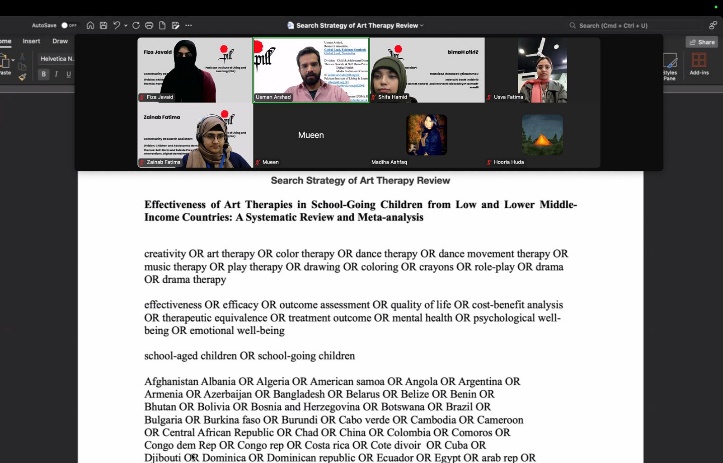
The Child and Adolescent Mental Health (CAMH) Division at the Pakistan Institute of Living and Learning organized a systematic review training session focusing on search strategy development and screening of literature using RAYYAN.
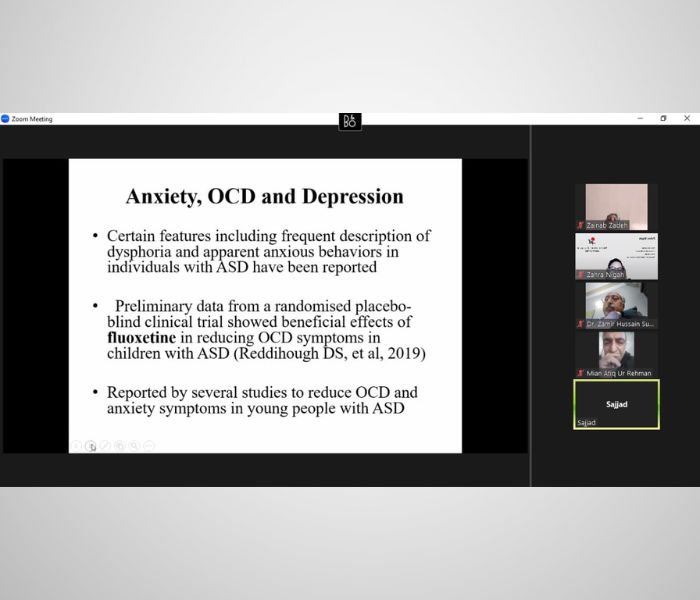
A talk on “Role of psychotropic Medications in Autism Spectrum Disorder” for treating children and adolescents.



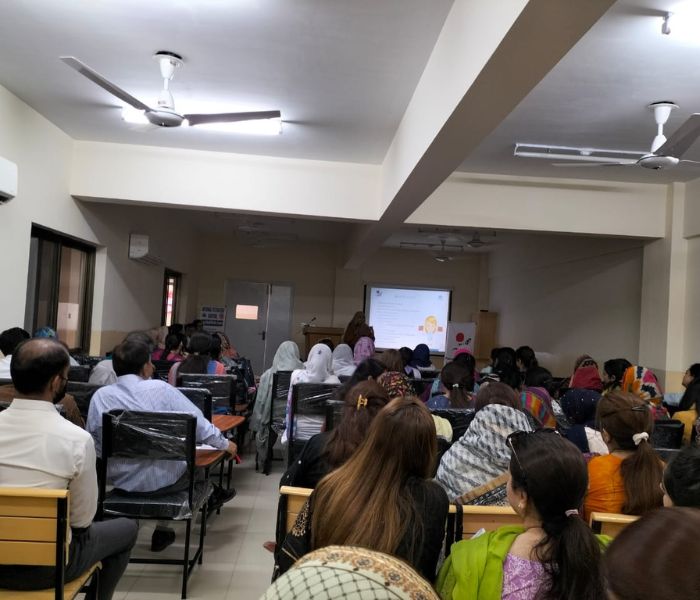
PILL-Multan office.
PILL-Multan office collaborating with the National psychiatric hospital had an awareness session about Mental health issues with students and their management at Lahore Grammar School Multan with 60 participants (teachers).


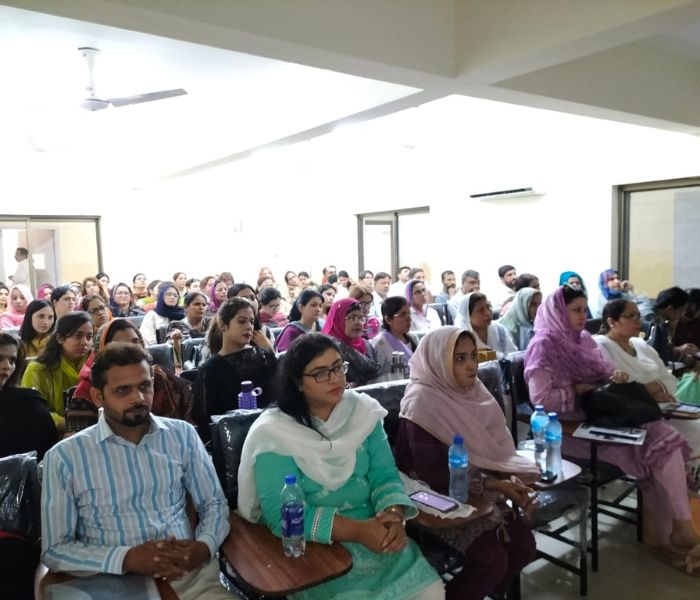

The Cancer Awareness Session
The cancer awareness session was conducted by PILL on February 29, 2024 in a small town LArr near Multan city. It was an impactful and informative event arranged for 9th, 10th and first year students. The presentation was surrounded with valuable information on different types of cancer, causes and prevention strategies. the young girls learned the self-examination strategies.
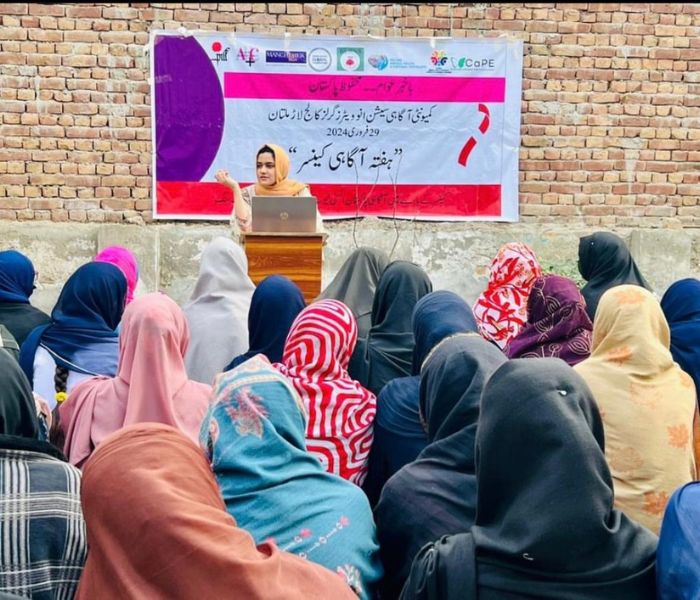

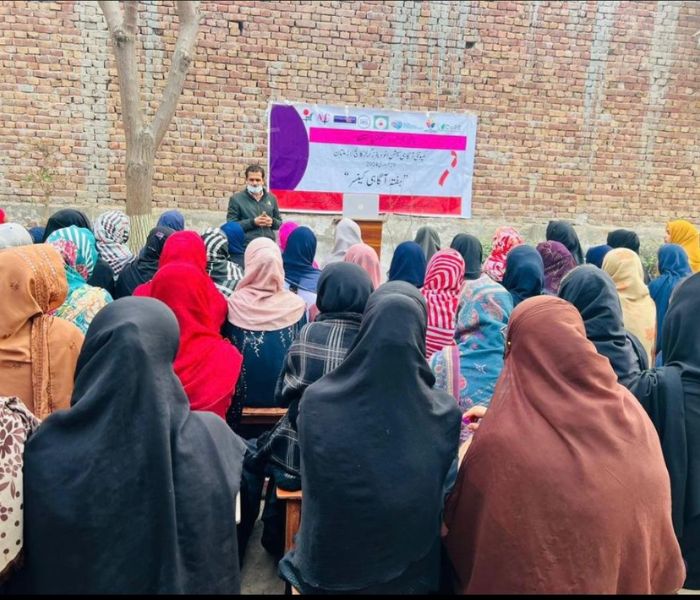
The Suicide Prevention Roadshow Event
The Suicide Prevention Roadshow Event, held on September 23rd at the Royal Institute of Medical Sciences (RIMS) Multan, has approximately 60 students, 10 staff members, and teachers. Multan PILL team highlighted the facts and figures of suicide, including all warning signs and preventive measures. Some of the students shared their experiences and questions regarding their loved ones battling with suicidal ideation.
Participants showed their appreciation by requesting the Head of the department Ms. Narmeen Haseeb that these mental health topics should be discussed once every month.


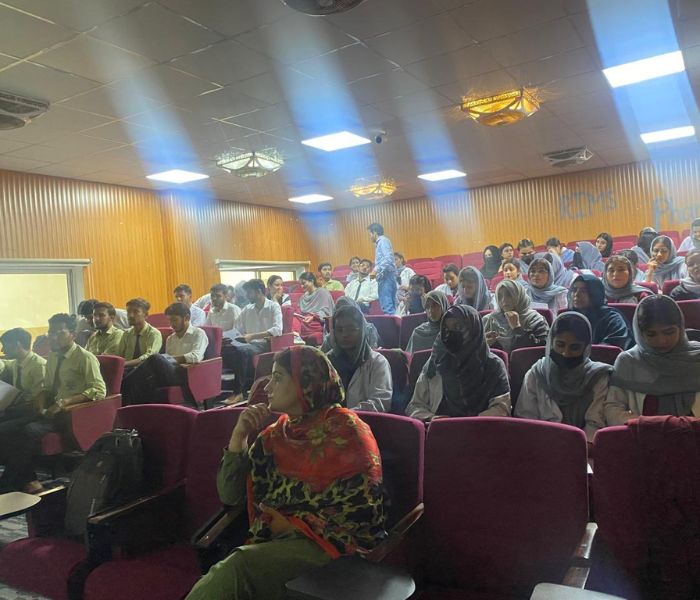

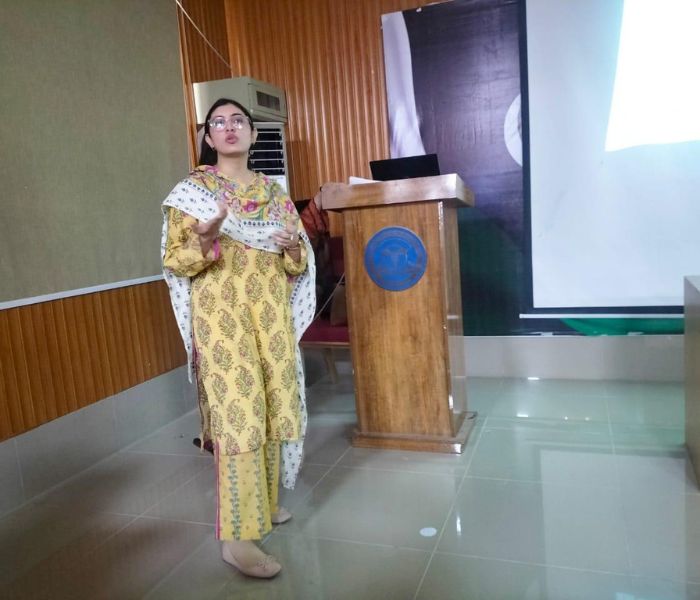
Awareness Session on Breast Cancer
PILL Team conducted an engaging awareness session on breast cancer with 12th-grade students at NJV School. The session highlighted the importance of early detection and self-examination techniques, encouraging students to be proactive about health. Through discussions and an interactive Q&A, students gained a better understanding of breast cancer, empowering them to spread awareness and reduce stigma within their communities.


Training Session on Transactional Analysis (TA) at A-One City Model High School, Quetta Balochistan
Faqeer Muhammad and Tayyaba Kazmi led an engaging training session on Transactional Analysis (TA) at A-One City Model High School, Quetta Balochistan. They introduced the core concepts of TA and its practical applications in daily life. The training emphasized the three ego states—Parent, Adult, and Child—and their influence on interpersonal interactions.
The session focused on helping teachers build better relationships with students and providing tools to manage classroom dynamics.


Poster Presentation at the Cheshire and Wirral Partnership Research Conference
Bushra Ali presented a poster at the Cheshire and Wirral Partnership Research Conference on Friday, Nov 29th at the Crowne Plaza Chester. Her Poster presentation was on “Culturally Adapted Problem-Solving Intervention to Prevent Self-harm and Suicide in Young People with Autism: Protocol for a Multicenter Pilot Trial in a Low-Income Setting.”

Meet the Team

Role: Chairperson
Brief Bio: Prof. Zainab Zadeh, Consultant Clinical Psychologist and President of the Pakistan Association of Clinical Psychology, is Head of Child and Adolescent Mental Health at PILL, Karachi, and a Chartered Member of the British Psychological Society. With expertise spanning clinical, educational, and positive psychology, she has authored two books, published 27 research articles, and brings extensive experience in psychotherapy, psychological assessments, and mental health leadership.

Ms. Rabia Fahad
Role: Division Lead & Lead of WS-3 (Monitoring research conduct and progress)
Brief Bio: Rabia Fahad is a Research Associate and Clinical Psychologist at PILL, specializing in child and adolescent mental health. She leads large-scale parenting and psychosocial intervention trials, coordinates Pakistan’s first National Centre for Research on Parental Mental Health and Child Development, and builds capacity among researchers and community health workers. Actively engaged in community outreach, she has established and adapted Community Engagement and Involvement Groups across multiple countries to promote mental health awareness for children, adolescents, and families.
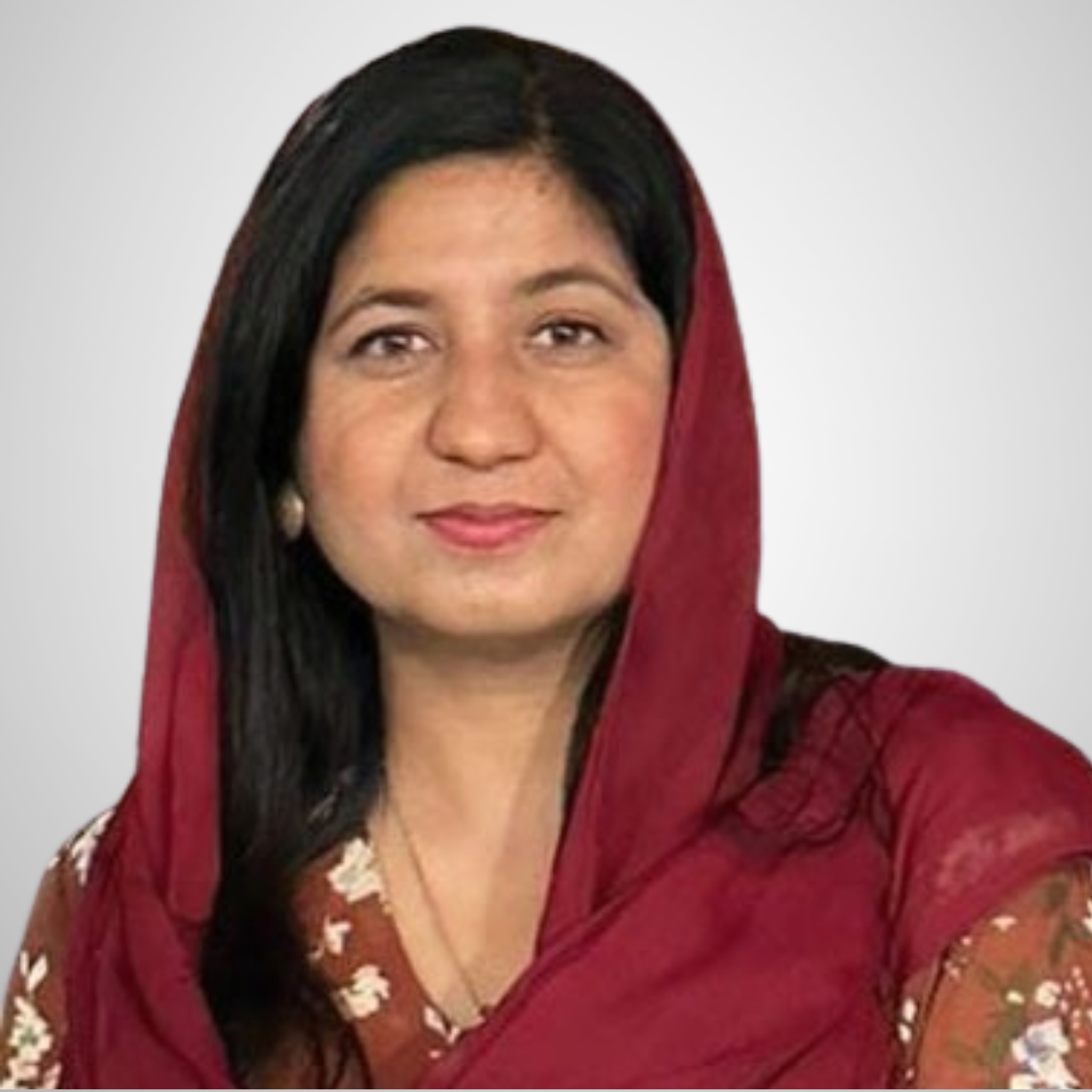
Dr. Amna Noureen
Role: Lead WS-2 (Capacity Building and Awareness)
Brief Bio: Dr. Noureen is a distinguished Clinical Psychologist with a PhD in Suicide Bereavement and multiple academic honors. She serves as Research Associate and Global Lead of Teaching, Training, and Development at PILL, and leads WS-2 on Capacity Building and Awareness Raising under the Child and Adolescent Mental Health Division. A Visiting Research Fellow at the University of Manchester and SPARCR5 Awardee, she has expertise in suicide prevention, self-harm, qualitative research, and mental health capacity building, with numerous international publications and active engagement in public mental health awareness.
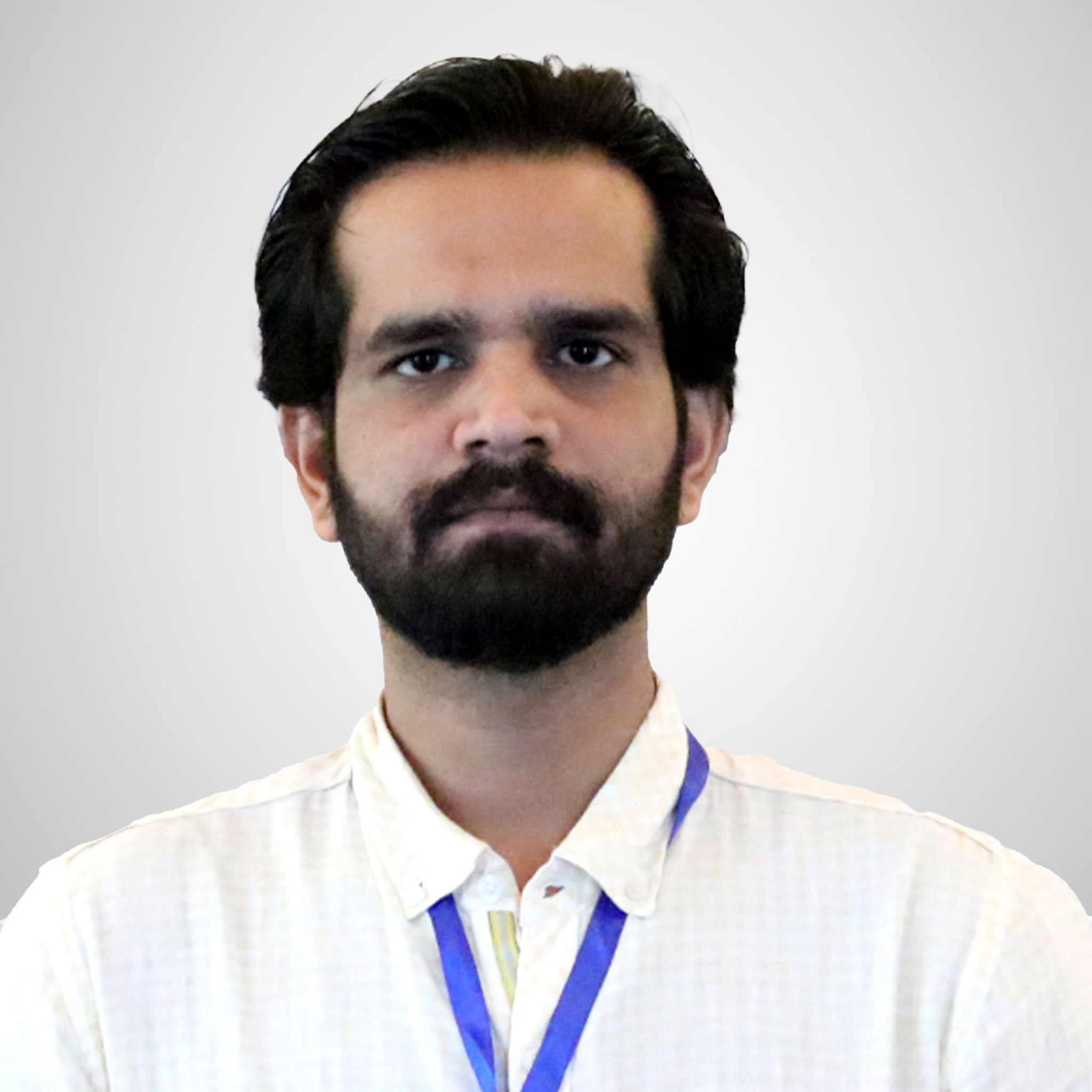
Mr. Usman Arshad
Role: Lead WS-1 (Developing Evidence Base)
Brief Bio: Usman Arshad, Assistant Director for Evidence Synthesis at PILL, is an accomplished mental health researcher specializing in systematic reviews, meta-analyses, and policy development. His work has secured major international funding from NIHR, NIH, MRC, UKRI, and Grand Challenges Canada, supporting high-impact research in areas including suicide prevention, breast cancer, cardiac rehabilitation, smoking cessation, parenting interventions, and culturally adapted therapies. With over 50 publications and protocols in leading journals, he also serves as a peer reviewer for BJPsych Open and Springer Nature, contributing to the academic rigour of global mental health literature. Usman’s work continues to bridge science, policy, and practice to improve mental health outcomes in low- and middle-income countries.
Link:https://www.linkedin.com/in/usman-arshad-ab3706134/

Dr. Maryam Riaz
Role: Lead WS-4 (Dissemination)
Brief Bio: Dr. Maryam Riaz, Research Fellow at the Pakistan Institute of Living and Learning, earned her PhD in Psychology from the University of Gujrat in collaboration with the University of Manchester. Her work focuses on child and adolescent mental health, tool development, and evidence-based interventions, with a strong commitment to promoting community well-being. She has published in leading journals including Early Intervention in Psychiatry, Frontiers in Psychology, and Annals of Medicine.
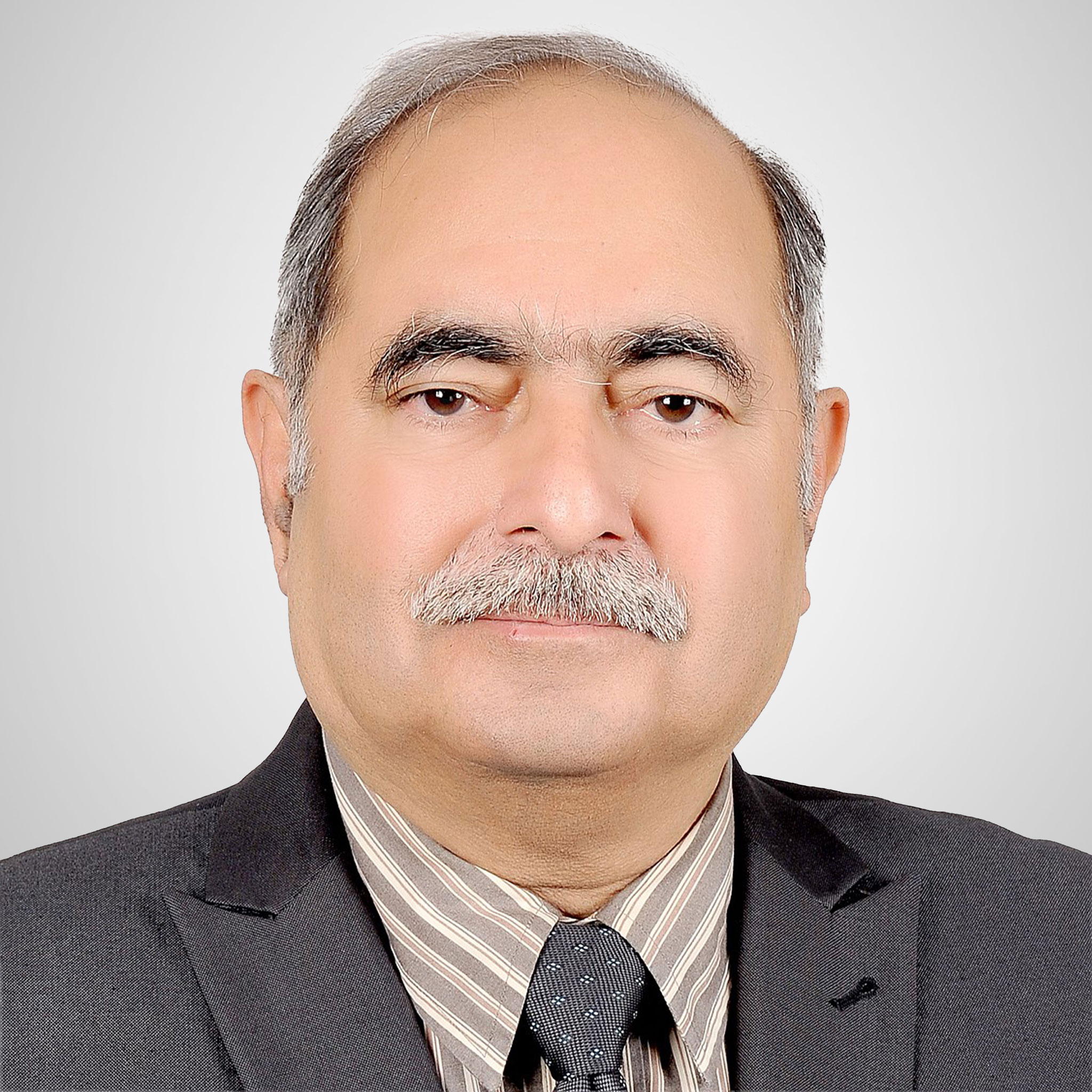
Dr. Azam Tahir
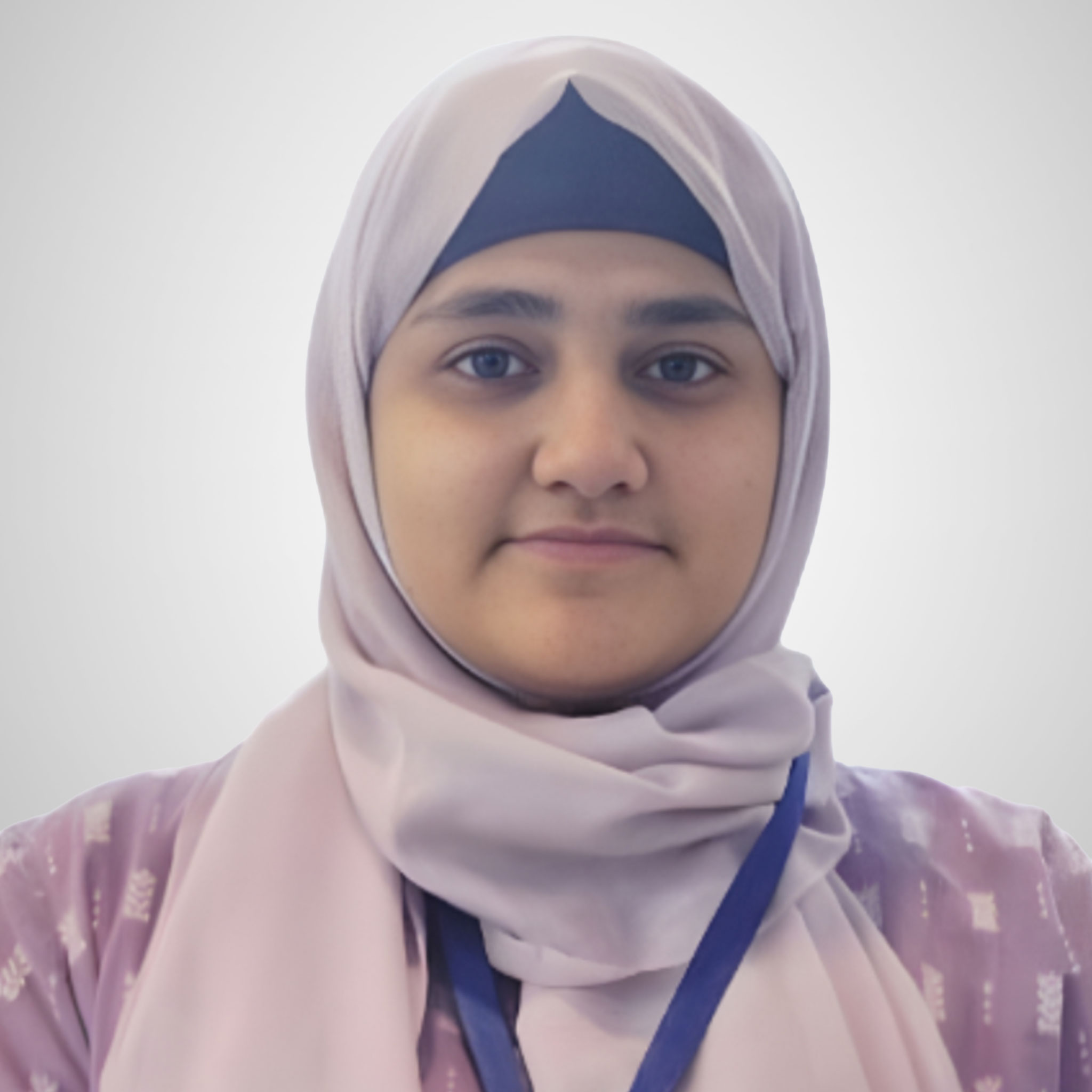
Ms. Zainab Fatima
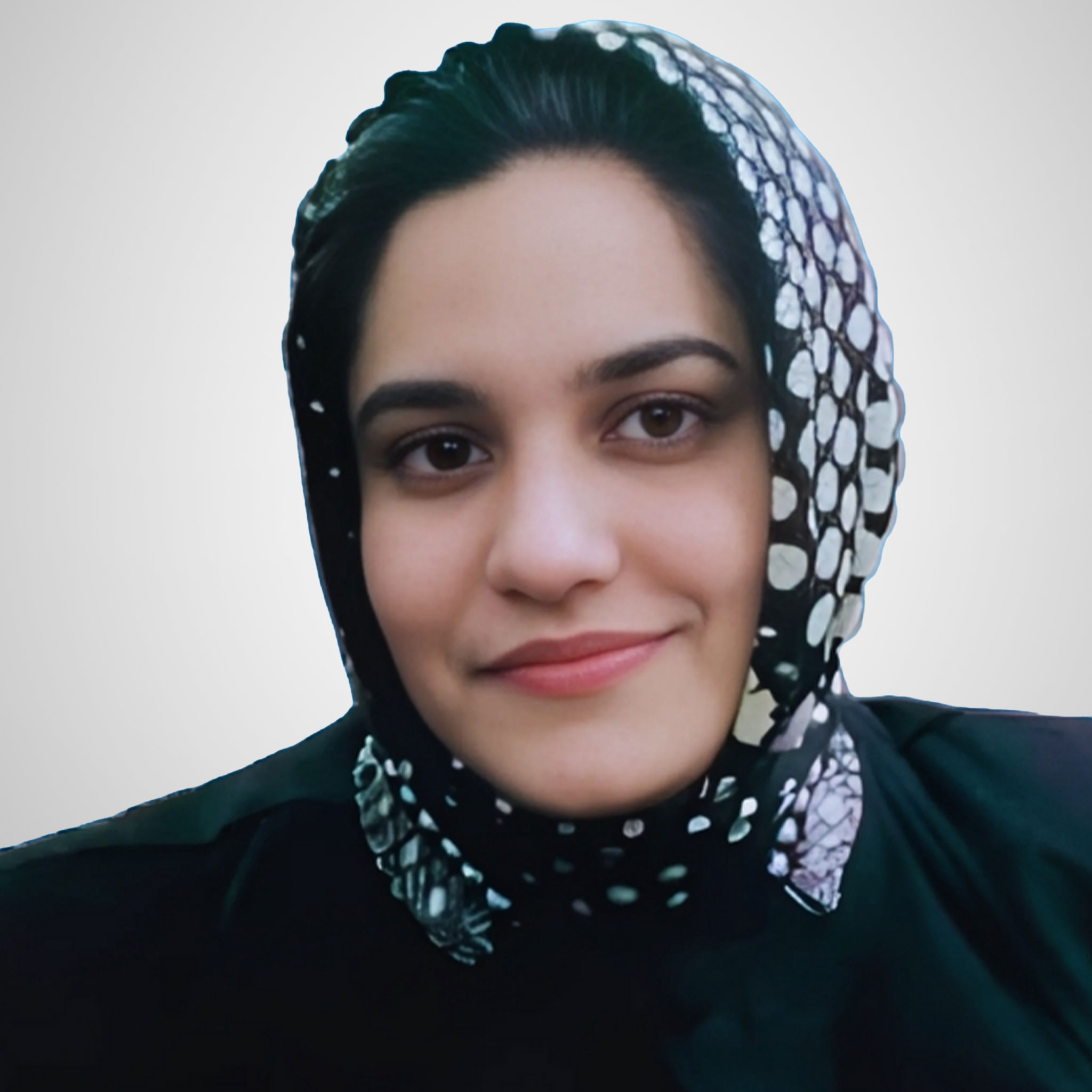
Ms. Zahra Nigah
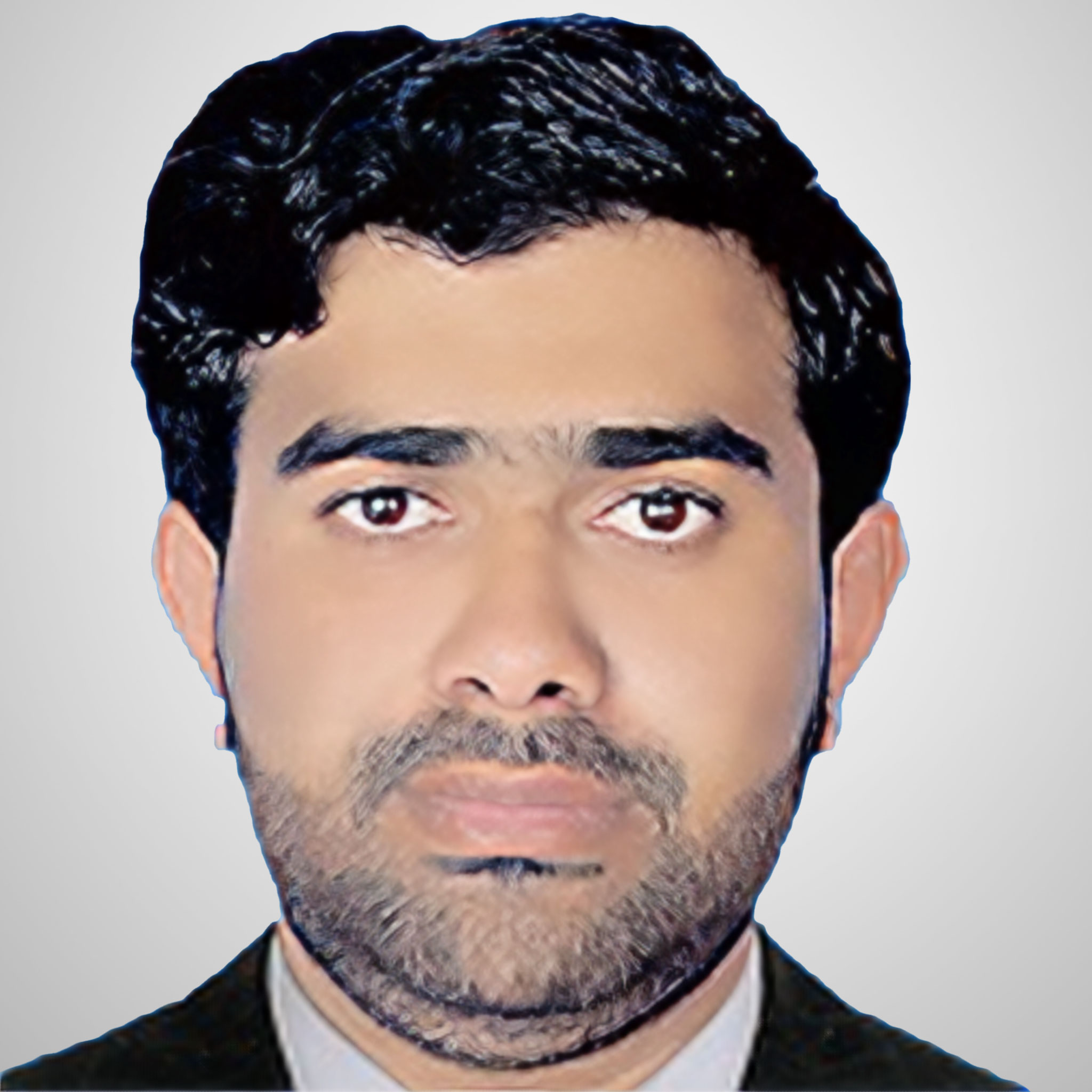
Mr. Mansoor Ahmed

Mr. Atta ur Rehman

Ms. Madeha Ashfaq
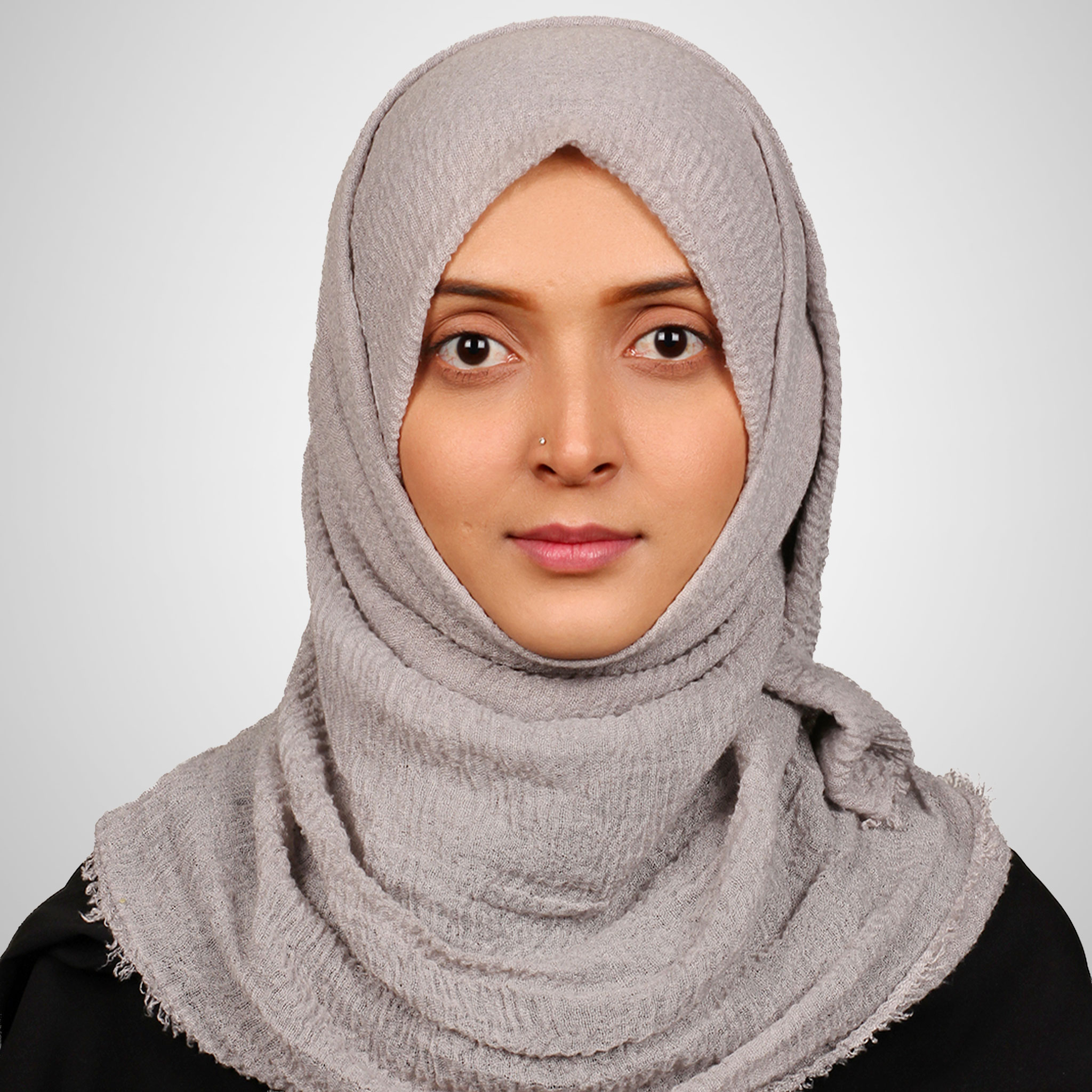
Ms. Atika Juma
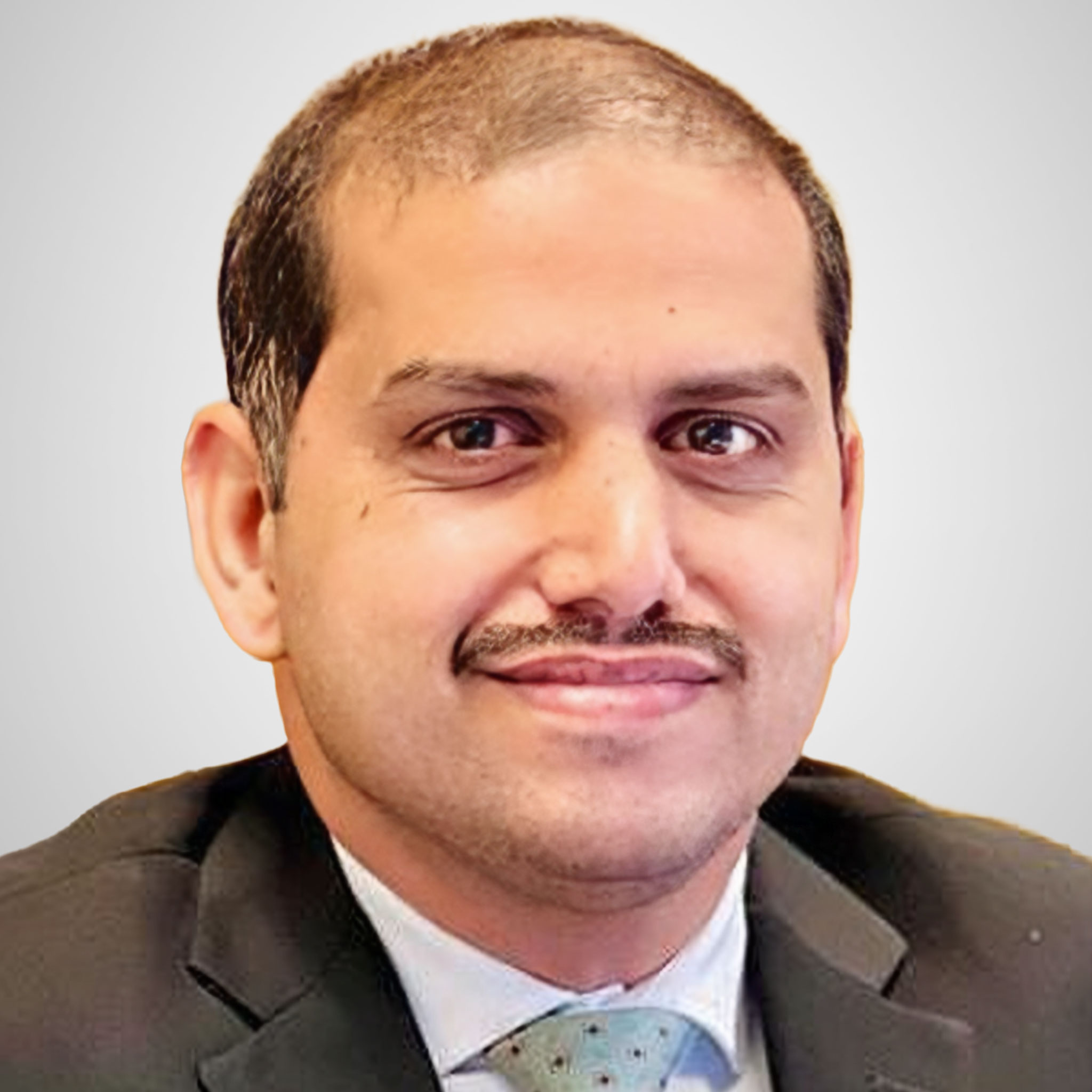
Mr. Adnan Chohan
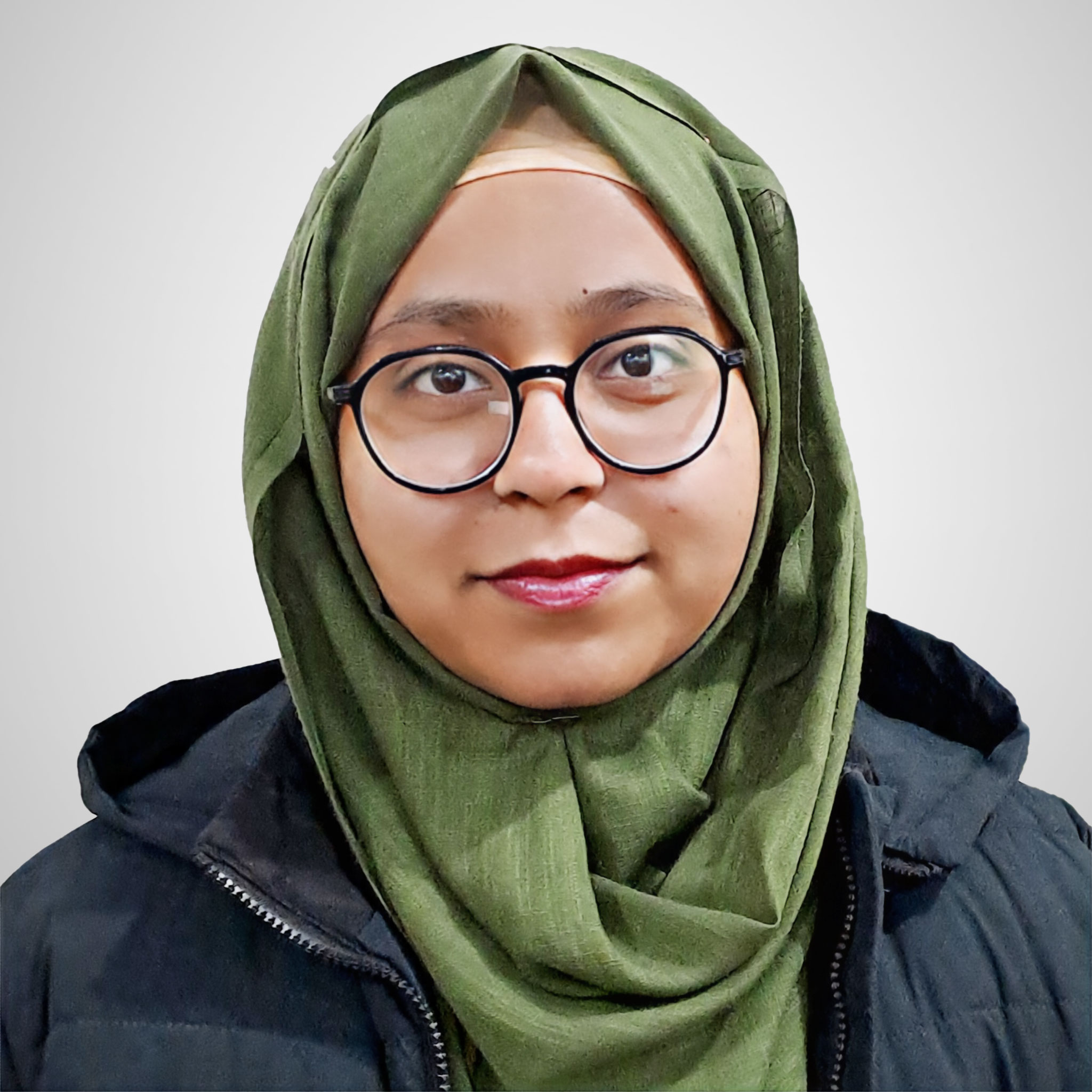
Ms. Hooria Huda

Mr. Muhammad Zohaib

Ms. Fatima Mazhar
Our News and Blogs



Newsletters
Toolkits
5 to 8 years – Urdu
8 to 11 years – English
5 to 8 years – English
Messages
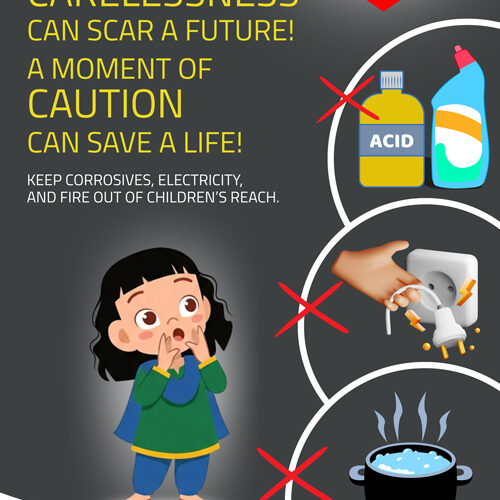
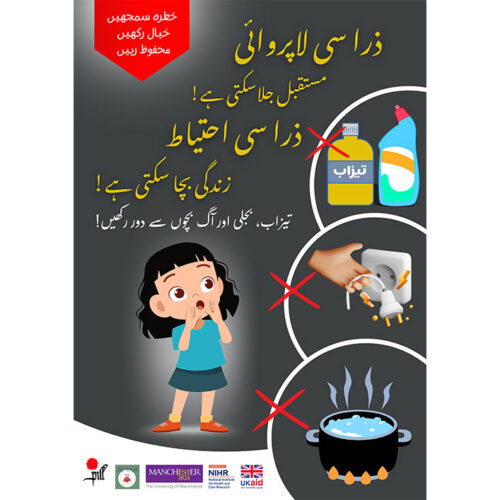
Child Safety – English