





Keeping Kids Safe
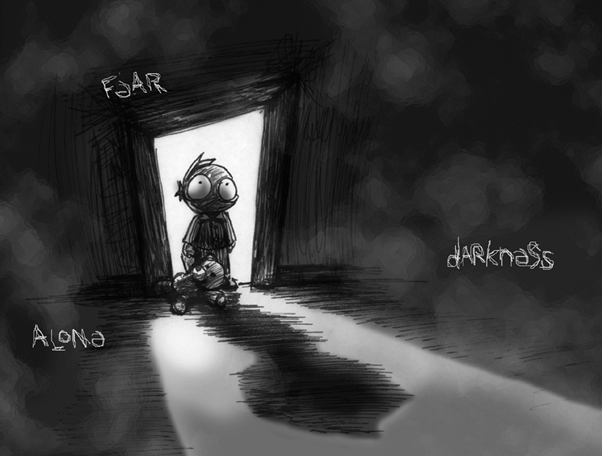
Nyctophobia, or the fear of darkness, is a common yet often distressing issue, particularly among children. Understanding its causes, symptoms, and impact is crucial in helping children overcome their fear and ensuring their emotional well-being. This blog aims to explore the triggers, effects, and potential treatments for nyctophobia, emphasizing the role of parents and caregivers in providing support. By fostering a sense of security and gradually helping children cope with their fear, we can create a more comforting and reassuring environment for them.
Research shows that around 45% of children between ages 6 and 12 experience this fear, making it a major concern for parents. Although there are different ways to help kids overcome nyctophobia, experts still debate which methods work best. Most studies on this fear have been done from an adult’s point of view, meaning we still don’t fully understand how children themselves experience and explain their fear of the dark.
Nyctophobia in children is often triggered by past traumatic or distressing experiences in the dark, such as waking up from a nightmare alone, getting lost outside at night, or experiencing separation anxiety when parents leave at bedtime. Watching scary movies or hearing frightening news stories can also reinforce this fear. Even if children don’t consciously remember the event that caused their fear, darkness can still trigger anxiety, similar to a post-traumatic stress reaction. Children with nyctophobia often refuse to sleep alone, insist on keeping the lights on, or feel anxious even thinking about the dark. Some experience nightmares, sweating, trembling, or even panic attacks in a dark room. In more severe cases, this fear can disrupt sleep, cause emotional distress, and increase dependence on parents or caregivers for comfort. Common symptoms include nausea, dizziness, shortness of breath, and a racing heartbeat, making it essential to address their fear with patience and support.
Nyctophobia can develop for many reasons, including past experiences, genetics, and learned behaviors. A child who has been scared in the dark like getting lost or hearing a strange noise may start associating darkness with danger. Watching scary movies or hearing frightening stories can also make this fear worse. Sometimes, children pick up on the fear of darkness from parents or siblings. On a biological level, an overactive amygdala, the part of the brain that processes fear, may make it harder for some kids to overcome this phobia.
Nyctophobia is most common in children and teenagers, but it can continue into adulthood. Studies show that about 19.3% of adolescents experience specific phobias, with fear of the dark and fear of death being among the most common. Women are generally more likely to develop phobias than men. Additionally, people with anxiety, depression, or post-traumatic stress disorder (PTSD) are at a higher risk of developing nyctophobia.
There are several ways to help children overcome nyctophobia, including therapy, relaxation techniques, and self-help books. Gradually exposing kids to darkness while offering praise and reassurance can help them feel more confident. Parents can support their child by creating a comforting bedtime routine, using a dim nightlight, and encouraging relaxation techniques like deep breathing. Books like Uncle Lightfoot, Flip that Switch provide fun activities to help children face their fear. A study explored how digital games can help reduce children’s nighttime fears. An experiment with 96 children showed that those who played a fear-reducing game experienced a noticeable decrease in their fear levels. The results suggest digital games could be an effective tool for managing nighttime fears.
Parents play a key role in managing this fear by being patient and supportive. Letting children talk about their fears, providing comforting objects like stuffed animals, and avoiding scary stories before bed can make a big difference. Most importantly, helping children understand that darkness is safe and natural can ease their anxiety over time. In severe cases, professional therapy may be needed.