


Basic Life Support (BLS): A Lifesaving Skill Everyone Should Know

What is Basic Life Support (BLS)?

Basic Life Support (BLS) is the immediate care given to someone experiencing cardiac arrest, respiratory failure, or airway obstruction. It involves a set of simple but critical interventions — most importantly CPR (Cardiopulmonary Resuscitation) — that can save lives before emergency services arrive.


Is BLS Important?

Every minute without BLS decreases a cardiac arrest victim’s chance of survival by 7–10%. With timely intervention:

  • Lives can be saved in emergencies.
  • Brain function can be preserved.
  • Outcomes in cardiac arrest and choking incidents improve significantly.

Is BLS for everyone to learn?

Everyone! But especially:

  • Healthcare professionals
  • Teachers and school staff
  • Parents and caregivers
  • Gym instructors and coaches
  • General public (bystanders can save lives!)

Key Steps in Basic Life Support (2020 AHA Guidelines)

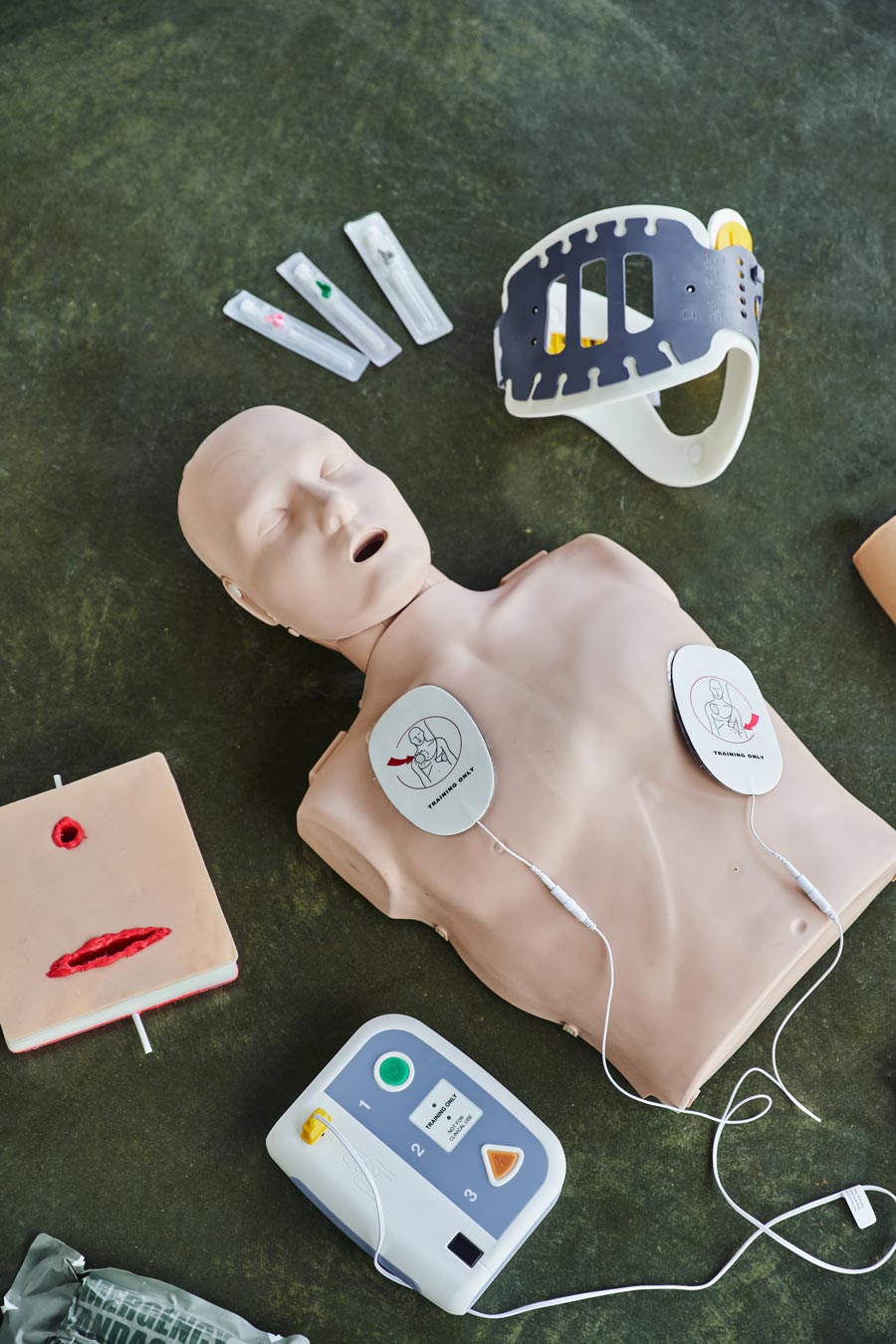
What’s in a BLS Kit?

  • Pocket mask
  • Gloves
  • AED (if available)
  • Alcohol wipes or sanitiser

What if I don’t have a BLS kit?

  • You can still set safe zone
  • You can still give CPR
  • Call for the ambulance
  • Improvise where and when needed

When and Where Can I Learn BLS?

BLS training are available through:

  • Hospitals and clinics
  • Red Cross / St. John Ambulance
  • Online and in-person training providers (certification may last 1–2 years)
  • PILL is now conducting them

Quick Tips to Remember

  • PUSH HARD, PUSH FAST.
  • Don’t be afraid to act — doing something is better than doing nothing.
  • Practice makes perfect — get certified and stay updated!

Final Thoughts

BLS is not just for doctors and nurses — it’s a skill that anyone can learn, and everyone should learn. In emergencies, your quick action could be the difference between life and death.

“You don’t need to be a hero — just someone who knows what to do.”


References:

  1. Harve, M.A. and Li, D., 2024. Social impacts of the American Red Cross (ARC) disaster interventions: a scoping review. Cureus16(2).
  2. https://www.redcross.org/
  3. https://cpr.heart.org/
  4. Merchant, R.M., Becker, L.B., Brooks, S.C., Chan, P.S., Del Rios, M., McBride, M.E., Neumar, R.W., Previdi, J.K., Uzendu, A., Sasson, C. and American Heart Association, 2024. The American Heart Association emergency cardiovascular care 2030 impact goals and call to action to improve cardiac arrest outcomes: a scientific statement from the American Heart Association. Circulation149(8), pp.e914-e933.

Updates

Here you will find all the latest updates related to meetings, workshops, trainings, events, discussion groups, and everything else related to BLS.