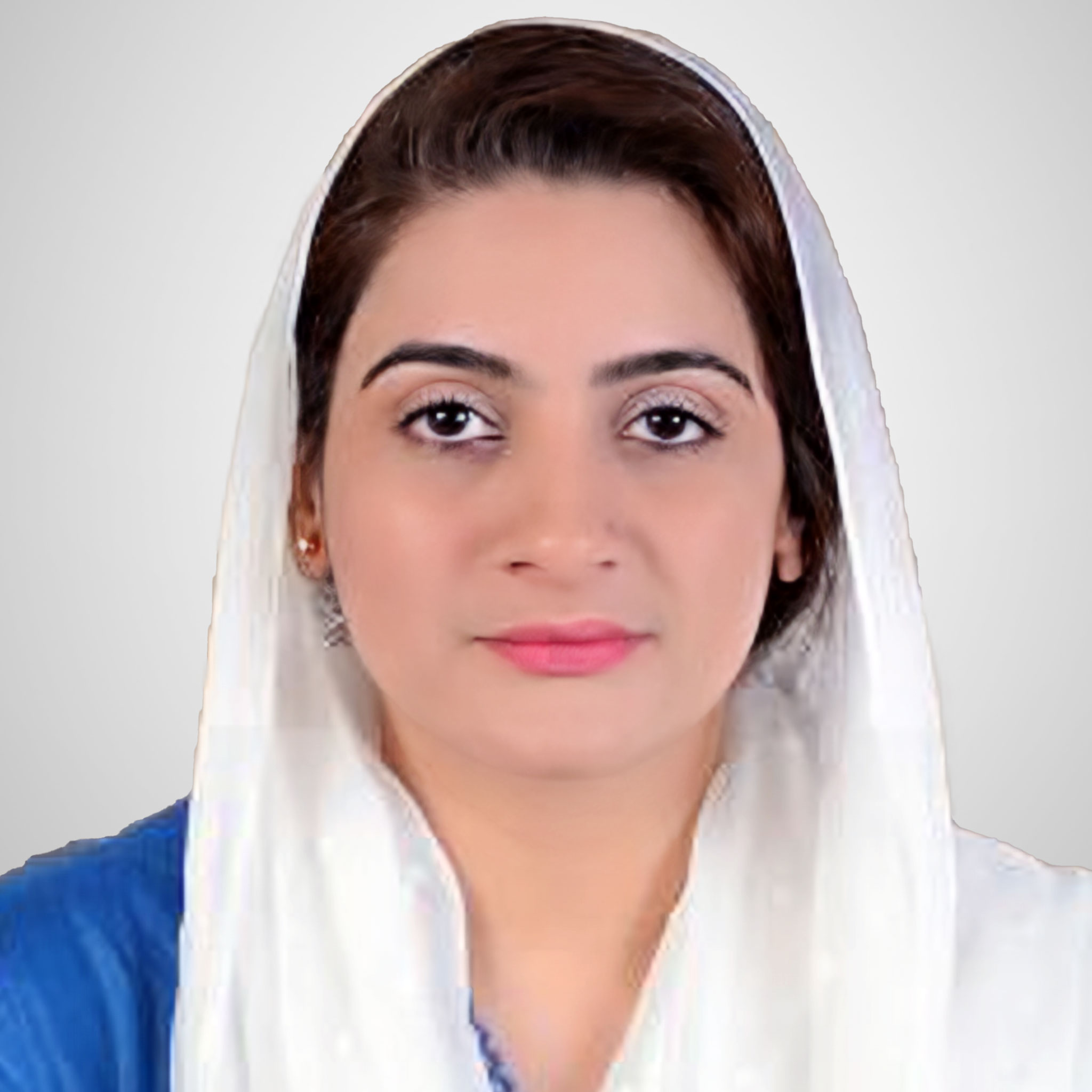


Journey of Ms. Faryal
Hello I would like to share my journey from starting off as working a pharmacist, and going forward to become a Service User Researcher, as well.
I started my career as a pharmacist but had to take a break due to my pregnancy and then after my son it was more difficult to rejoin that job as a pharmacist because it’s a full-time job without flexibility.
2021 brought a heart-wrenching experience for me, when I lost my newborn.
And 2022 again became more difficult for me to cope, when my ectopic pregnancy ended in a miscarriage, and I, overwhelmed with such trying circumstances went into depression, and I had to take a break to recover.
I started seeing a therapist in 2022, and during the psychotherapy, I got to know about a project (SABAR) by Pakistan Institute of Living and Learning (PILL). SABAR focused on management and prevention of stillbirths and neonatal fatalities this directly resonated with my experiences.
So, in June 2022, I joined the SABAR project as a service user, and a researcher.
It not only helped my healing toward mental and emotional stability but also opened new ways of working with people, collaborating with Community Engagement and Involvement (CEI) members, and connecting with women who were facing similar problems, and were dealing with grief.
SABAR helped me a lot in managing my stress and reclaiming control of my life.
I got an opportunity by PILL and NIHR to attend the CEI Leadership Training in Malawi in August 2022.
Then finally we got our connecting flights to Addis Ababa after 12 hours at Dubai Airport We flew to Addis Ababa, the flight was via Dubai Addis Ababa Airport Dar es Salaam Airport Leads from multiple countries attended the NIHR-scheduled training.
In Lilongwe, Malawi, CEI leads attended a two-day program.
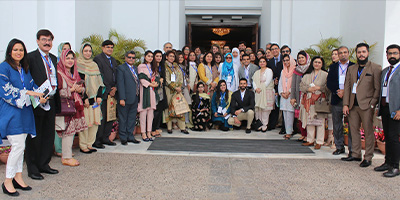
The interactive workshop, delivered by Dr. Carol Bedwell and Milcah Mwamadi, was organized by the NIHR Unit and attended by CEI Leads from eight different countries.
Distribution of certificates by NIHR Team Some memories from Malawi: Back to Pakistan Gifts from Malawi
The event offered a valuable opportunity for CEI leads to connect in person, fostering a space for meaningful and productive discussions.
During the gathering, CEI leads openly shared their experiences, highlighting both the challenges and the impact of their work.
These conversations were not only encouraging but also reinforced the essential role of CEI activities in research.
By bringing diverse perspectives to the forefront, the leads emphasized how community engagement enriches research, making it more relevant, inclusive, and grounded in real-life experiences.
Our CEI continued to make progress, and we held monthly meetings to keep the work moving ahead.
Our CEI groups participated in every step of the intervention’s development, since it is well known that CEI plays a key part in the design development, conduct, and dissemination of this research.
Providing CEI members with peer support training is an additional opportunity for learning to enhance communication abilities.
Engaging in role-playing exercises was important for developing skills in being empathic and in how to interact with moms and their families after pregnancy and infant loss.
In July 2023, I was given a meaningful opportunity by PILL to present a poster showcasing my CEI work focused on bereavement support for families affected by stillbirths and neonatal deaths.
This presentation took place at a Learning & Sharing Event organized by the NIHR in Tanzania.
The event provided a powerful platform to highlight the importance of compassionate, community-driven support in the aftermath of such profound loss.
Sharing my experiences with an international audience not only amplified the voices of grieving families but also emphasized the critical role of CEI in addressing sensitive health issues with empathy and understanding.
And hence, I began preparing once again for another trip to present my work and skills.
Our journey began on the 26th of June 2023, and we arrived in Tanzania and one more time in Africa!
Though Tanzania is truly beautiful, the traffic was as bad as Pakistan.
hotel view at our ultimate location truly astounded us, as the views were magnificent.
The next day conference, and presentations from different countries.
My very first poster presentation was a truly enriching experience, offering me the opportunity to share my work with a diverse and wide-ranging audience.
Presenting to such a large group allowed me to raise awareness about the importance of bereavement support and the role of CEI in addressing sensitive issues like stillbirths and neonatal loss.
It also opened the door to meaningful interactions with individuals from various backgrounds, each bringing unique perspectives and insights.
These conversations not only broadened my understanding but also deepened my commitment to continuing this important work within communities.
I also had the opportunity to participate in the poster presentation competition and was honored to receive third place.
However, the moment was filled with deep emotion, as the journey that brought me there was marked by deeper pain, the loss of my angel, whose memory and presence made this achievement possible
I learnt a lot from my participation in this poster presentation event.
Understanding the cultural and professional context of your audience is crucial.
Tailoring your presentation to resonate with their interests and values ensures that your message is both engaging and impactful.
Participating in an international event is an exciting milestone for anyone, especially when it aligns with your personal or professional journey.
Whether it’s sharing your expertise, presenting your story, or contributing to a global conversation, stepping onto an international platform offers immense growth, learning, and fulfillment.
Last day Morning Walk memories from Tanzania: Some beautiful memories from our trip: Meeting with our CEI Country Leads Finally, we were back to our country:
Coming home after a trip can bring mixed feelings.
Exploring new places, meeting new people, and experiencing different cultures creates special memories.
But it can also be tiring after so much activity.
Whether it was a short weekend trip or a long journey, coming back gives you a chance to rest, think about your experiences, and slowly return to your normal routine.
And I was back to work with new energy.
On March 6th and 7th, 2025, I had another opportunity to participate in the CEI study launch event in Zimbabwe.
Although it was a long journey, it was a good experience travelling alone.
Sharing some memories from my travel and workshop experience, I had a long journey that began with a nearly 5-hour layover at Dubai airport, giving me time to rest and reflect.
From there, I caught a connecting flight to Lusaka for another stopover before finally arriving in Harare, Zimbabwe.
It was a tiring but exciting trip, filled with anticipation for the workshop ahead and the opportunity to connect with others from different parts of the world.
The two-day workshop agenda included the launch of the CEI study titled “Experiences of CEI Members and Researchers Working Together During Global Health Research on Stillbirth Prevention and Bereavement Care: A Grounded Theory Study in Sub-Saharan Africa and South Asia.”
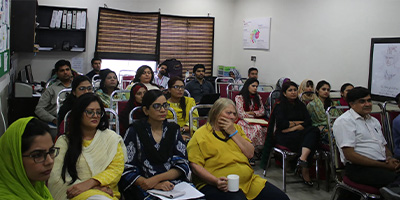
Additionally, the workshop featured various activity-based sessions focusing on optimizing recruitment and participation, reviewing the topic guide, dissemination strategies, and identifying CEI priorities.
CEI leads present about CEI Stories from different countries, CEI Journey from south Asia and Sub-Saharan Africa Pakistan CEI journey highlighted by service user researcher Closing Prayers by Volunteers Thank you notes by NIHR Team And distribution of certificates.
Sharing some memories from Zimbabwe We also enjoyed a safari walk through Mukuvisi Woodland.
Visiting Zimbabwe was a fantastic experience.
I learned a lot from the workshop, and spending time with CEI leads provided a valuable opportunity to exchange insights, share knowledge, and gain deeper understanding.
In this blog, I have primarily focused on my travel experiences, as they play a crucial role in my capacity and capability building.
These journeys make me feel more empowered and better equipped to lead CEI initiatives in Pakistan while actively working on disseminating CEI efforts across the country.
Participating in a variety of training and tasks provides an opportunity to acquire new knowledge, and advanced learning and skills.
Participating in the development of interventions with other CEI members was an exceptionally gratifying experience, as it signifies that one is now a component of the support that numerous families and parents will receive.
Life has a way of shaping us in unexpected ways.
My journey from being a mother to becoming a service user – researcher has been deeply transformative—a path that began in personal pain and evolved into a calling to make a difference.
Each day, I’m reminded that service design is not just about efficiency or innovation—it’s about humanity.
It’s about understanding what other people are going through, and creating spaces where they feel valued, supported, and seen.
Looking Ahead: Being part of community engagement, guided by my lived experience, is a humble yet meaningful step toward planting seeds of healing, hope, and transformation.
In moments of deep pain, we discover strength, not only for ourselves but for others who are on a similar journey.
True change begins when we take time to listen, build connections, and respond with compassion.
It is through shared sorrow and a united sense of purpose that we find the bravery to shape a brighter future.
Community is more than just being together; it’s about lifting one another up when we are at our weakest.
Our work may not take away the pain, but it gives it meaning, and that is a powerful thing.
My journey is far from over.
Every story I hear, every project I work on, reminds me why I started on this path.
I still have a long way to go in helping create services that are truly user-centered, but I’m grateful to be part of the change.
To anyone who feels that their pain makes them powerless: your story matters.
It can shape not only your future but also the lives of countless others.
Never underestimate the impact of your voice, it just might be the change the world needs.
This blog is a mirror of my journey, and I hope it encourages others to recognize their own potential.
Have you experienced a similar transformation of personal struggles into positive forces? Please share your tale with us!
As someone passionate about mental health, I have always been interested in exploring the complexities of mental health issues in Pakistan.Mental health issues are a significant concern in Pakistan, where an estimated 10-15% of the population suffers from some form of mental illness. In Pakistan, mental health is a critical issue that requires attention and action. According to the World Health Organization (WHO), Pakistan has one of the highest rates of depression and anxiety disorders in the world. Moreover, the country’s mental health landscape is further complicated by a lack of resources, infrastructure, and trained professionals to address these issues.
The socio-cultural and religious context of Pakistan plays a crucial role in shaping attitudes towards mental health. In many communities, mental illness is stigmatized, and those affected are often ostracized or shunned. Patriarchal society and strong family ties can also make it difficult for individuals to seek help or disclose their struggles. Additionally, the influence of Islamic values and traditions can sometimes lead to a reliance on spiritual or faith-based solutions, rather than seeking professional help.
In this context, engaging with communities is essential for conducting effective mental health research. By building trust and rapport with local residents, researchers can gain a deeper understanding of the complex issues surrounding mental health. This approach also helps to identify and address the specific needs and concerns of the community, rather than imposing external solutions. Community engagement is critical in developing culturally sensitive and effective interventions that are tailored to the community’s needs.
The Pakistan Institute of Living and Learning (PILL) has been working to address mental health issues in communities across the country. PILL is a leading research organization dedicated to improving mental health outcomes in Pakistan.One of our case studies involve the Burns project, a community-based initiative aimed at promoting mental health awareness and support among community members, who have experienced burns or other physical conditions. As burns cause trauma, disfigurement, and agony, they can result in serious mental health problems like anxiety, sadness, and post-traumatic stress disorder (PTSD).
Our project sought to address these mental health issues by providing support and resources to individuals affected by burn injuries.
We found that many community members were hesitant to discuss mental health issues due to fear of stigma and social repercussions. To address this, we worked with local influencers and community leaders to develop culturally sensitive and accessible materials for mental health awareness. We also established partnerships with local healthcare providers to offer training and support for mental health services.
Our approach to engaging and empowering communities involved several key strategies. First, we worked to build trust and rapport with community members through regular meetings and interactions. We also established a community advisory board, comprised of local leaders and residents, to provide guidance and feedback on our project. Additionally, we provided training and capacity-building opportunities for community members, healthcare providers, and local organizations to enhance their skills and knowledge in mental health.
The benefits of this approach was multifold. Specifically, we saw an increase in community members seeking help for mental health issues, as well as improved attitudes towards mental illness. For example, our project led to a significant increase in the number of community members accessing mental health services, and we received positive feedback from community members who appreciated the support and resources provided. Furthermore, our community-based approach helped to build a sense of ownership and sustainability, as community members became invested in the project and its outcomes.
However, we also encountered several challenges. One of the main difficulties was building trust with community members, who were often skeptical of outsiders. We also faced challenges in terms of resources and infrastructure, as many communities lacked access to basic healthcare services. Moreover, we encountered resistance from some community leaders who were hesitant to discuss mental health issues due to concerns about stigma and social consequenses.
In terms of ethical considerations, we took several steps to ensure that our research was conducted in an ethical and responsible manner. We obtained informed consent from all participants, ensured confidentiality and anonymity, and provided support and referrals for those who required mental health services. We also worked to ensure that our research was culturally sensitive and respectful of local customs and traditions.
Conclusion
Our experience highlights the importance of engaging with communities when conducting mental health research. By taking a culturally sensitive and participatory approach, researchers can build trust, identify specific needs and concerns, and develop effective solutions that are tailored to the community’s needs. This approach requires commitment to community engagement, capacity-building, and sustainability, which can lead to meaningful and lasting impacts on mental health outcomes.
For more information about PILL and our work on mental health, please visit our website at. www.pill.org.pk
References
– World Health Organization. (2017). Depression and Other Common Mental Disorders: Global Health Estimates.